
Last updated November 2, 2026
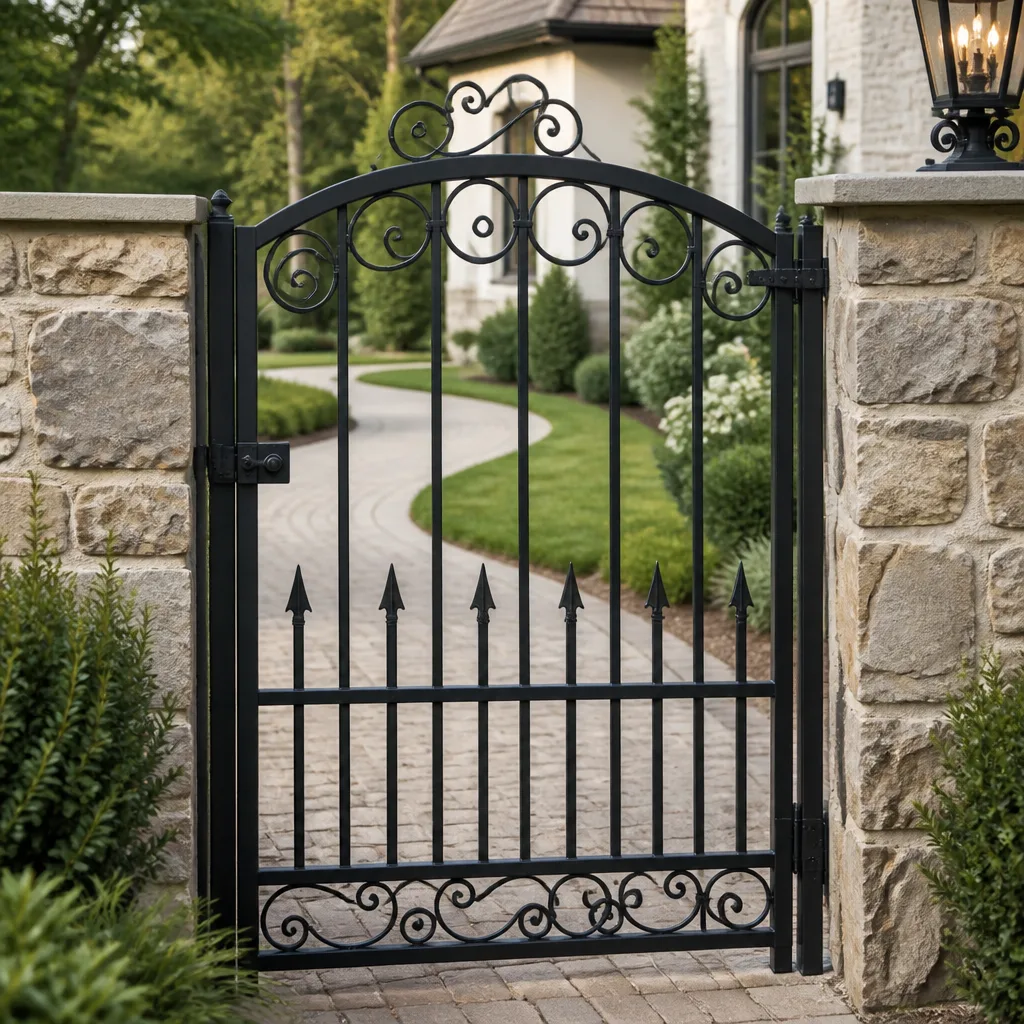 Wrought iron
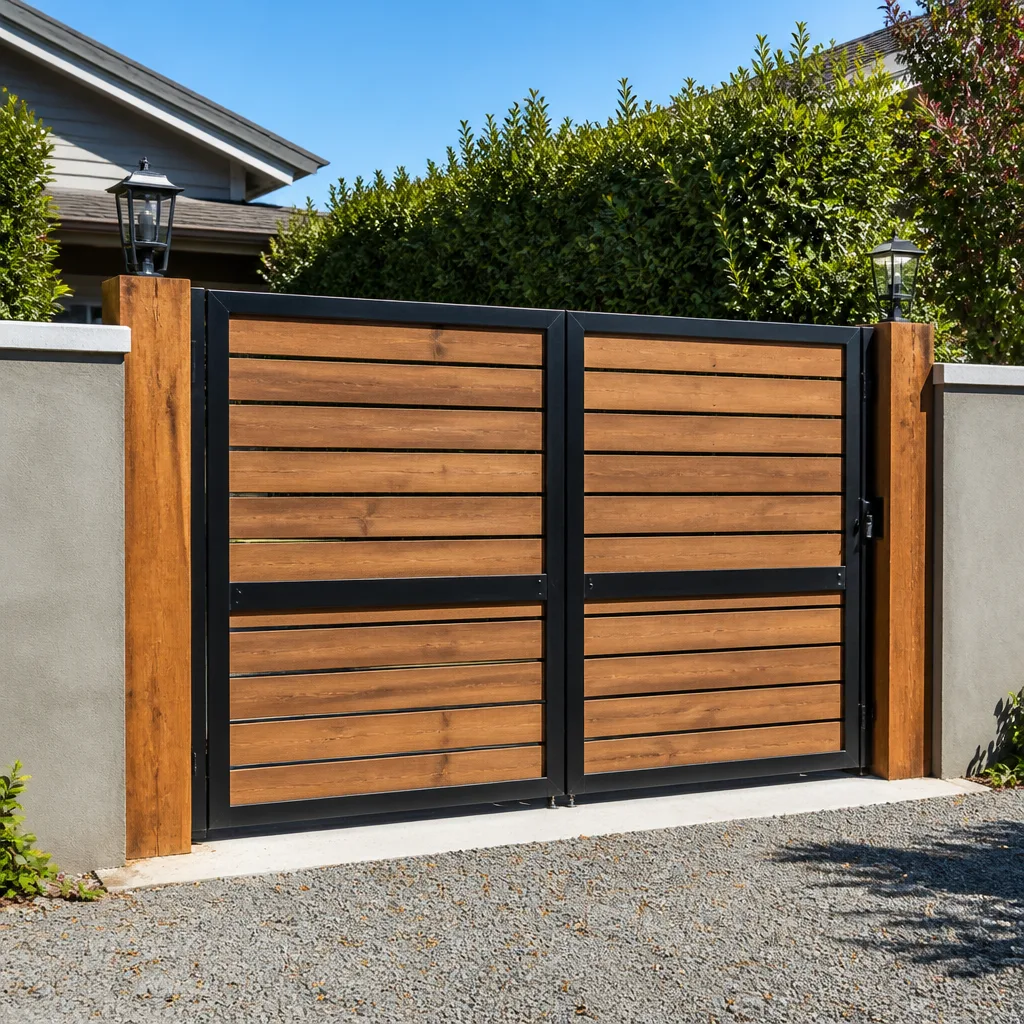 Wood & steel frame
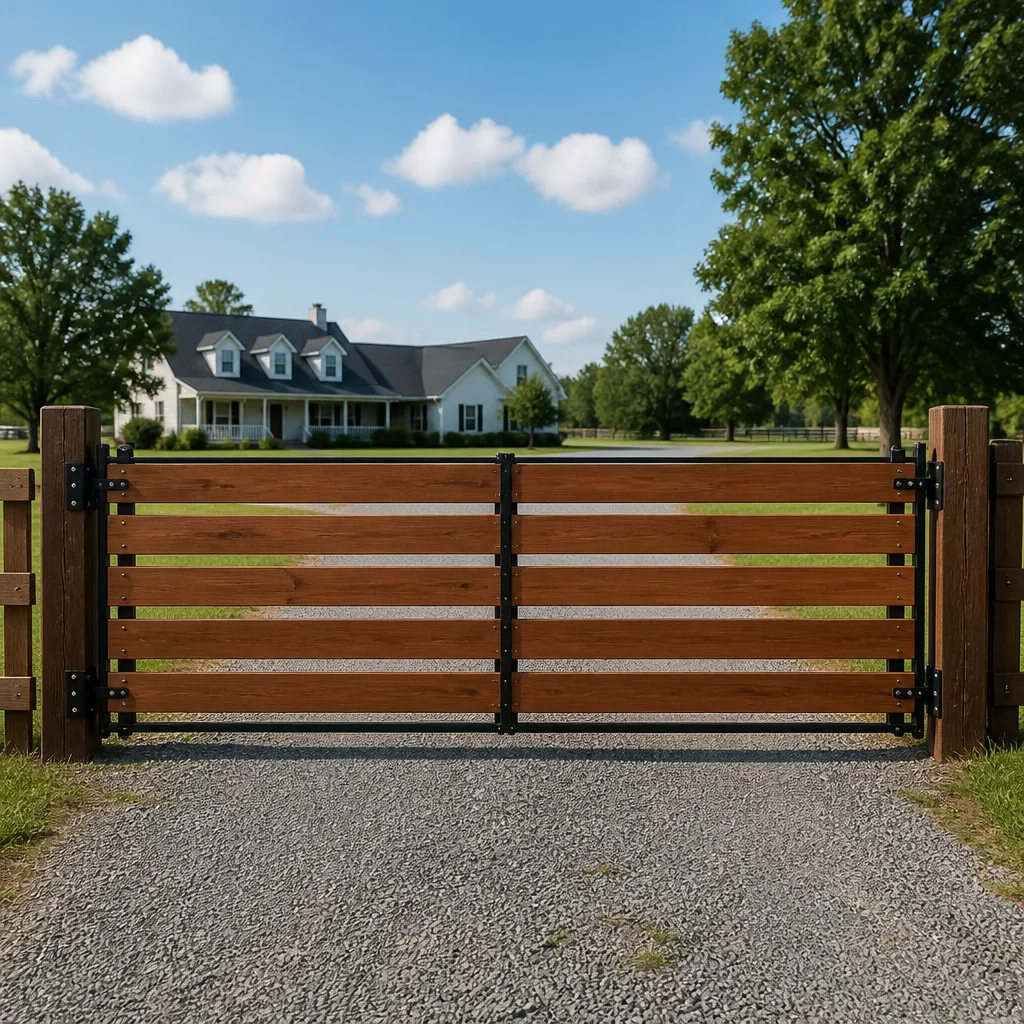 Farm & ranch
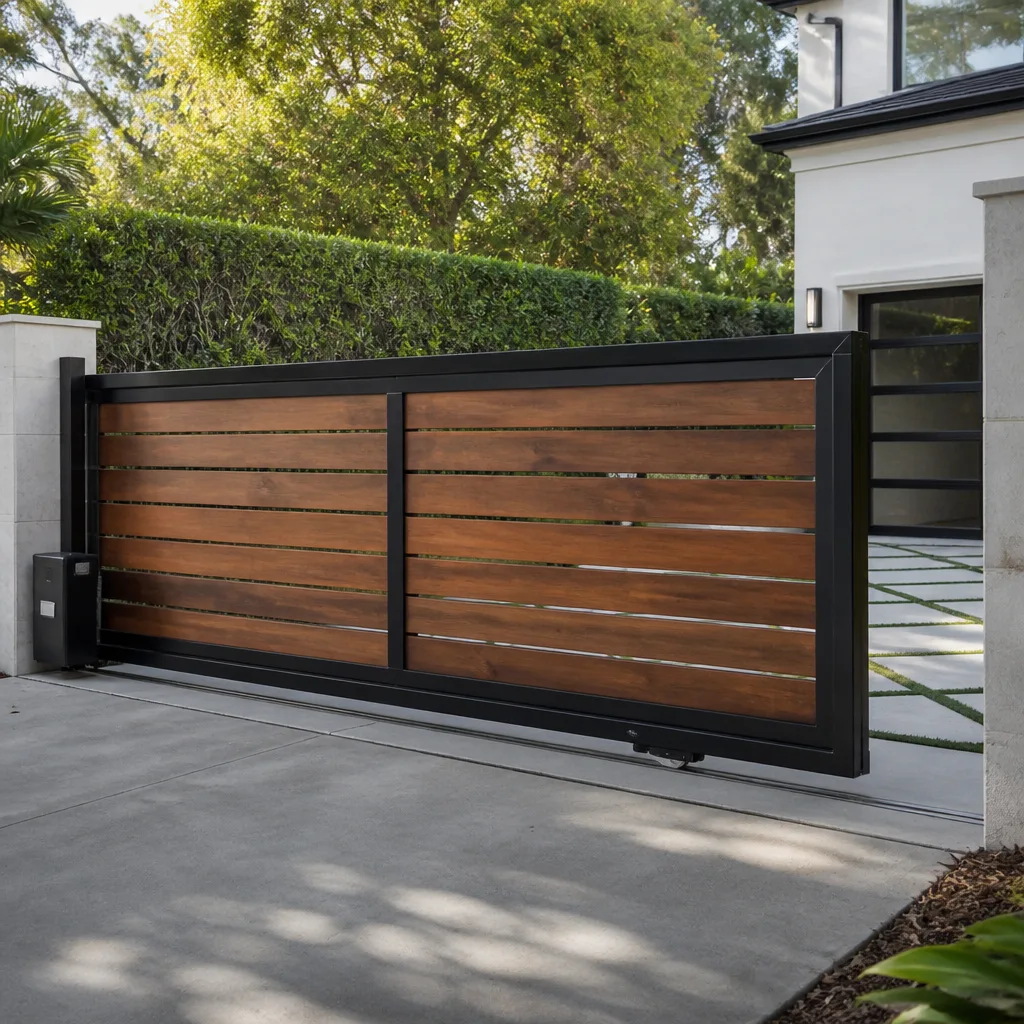 Sliding driveway gates
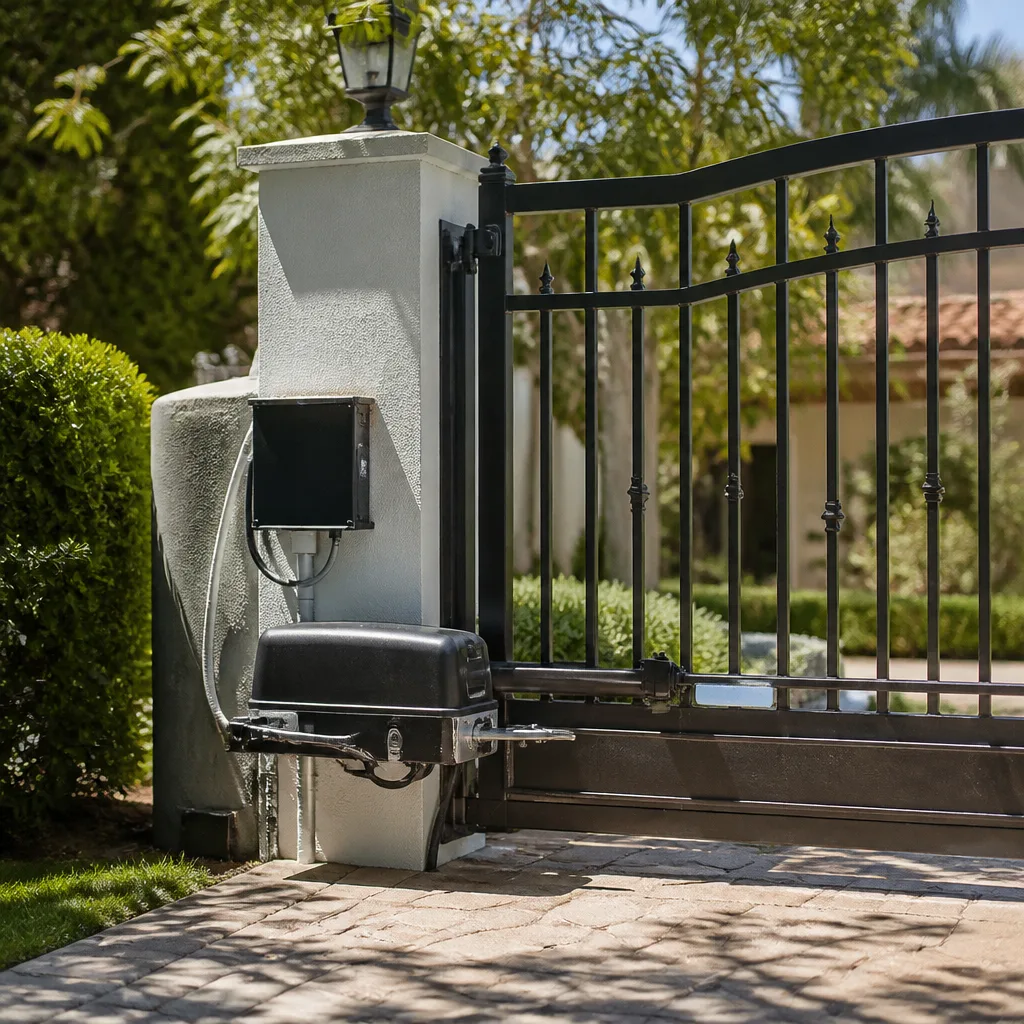 LiftMaster operators
Free on-site gate assessment - hinges, posts, and your LiftMaster or Nice gate operator checked before anything is quoted
The assessment is free and the quote is the invoice.
Get your free estimateSeasonal Gate Repair Care for Upland: Year-Round Homeowner’s Guide
October in Upland isn’t just fire season. It’s the month your swing gate quietly takes a beating that has nothing to do with how often you use it. Santa Ana wind events push laterally against gate panels with enough force to exceed the normal load rating of most residential hinges. The result shows up weeks later, in November, when your gate suddenly won’t close square and you assume it’s just age catching up with the hardware. It usually isn’t. It’s wind fatigue, and it’s predictable. This guide lays out a seasonal care calendar built specifically for Upland’s Inland Empire climate pattern: hot dry summers, abrasive fall winds, sudden winter temperature drops, and spring soil shifts. You’ll learn what to check before each season turns, which operator brands handle Upland conditions best, and when a problem needs a Gate Repair in Upland specialist rather than a wrench and a prayer.
Quick Answer
Seasonal gate care in Upland means adjusting your maintenance routine four times a year: pre-summer operator cooling and battery checks, fall hinge torque and auto-reverse testing before Santa Ana winds, winter lubrication and hydraulic fluid checks for cold overnight swings, and spring inspection of concrete posts and weld joints after soil moisture changes. Most Upland gate failures we see are seasonal stress problems caught too late, not random breakdowns – regular Gate Repair maintenance prevents most of them.
Styles & brands we work with
- Wrought iron
- Wood & steel frame
- Farm & ranch
- Sliding driveway gates
- LiftMaster operators
Table of Contents
- Summer Heat and Operator Duty Cycles: What Actually Fails
- Santa Ana Wind Prep: Protecting Swing Gates Before the Gusts Hit
- Winter Temperature Swings: Hydraulic Operators and Cold Lubrication
- Spring Soil Movement: Post Inspection and Weld Stress After Rain
- Setting Seasonal Sensitivity Adjustments on LiftMaster, DoorKing, and FAAC Without Voiding Warranty
- Battery Backup Systems: The Upland Summer Weak Point
- Powder-Coated Finishes and Upland’s UV Load
- Building a Four-Season Gate Care Calendar
Summer Heat and Operator Duty Cycles: What Actually Fails
Upland regularly sees sustained stretches above 100°F from June through September. Your gate operator runs on a duty cycle rating, which is the percentage of time the motor can run before it needs to cool down. Most residential operators are built for intermittent use. A few open-close cycles an hour is fine. But when temperatures climb, the motor’s internal thermal protection trips faster. Here’s what that means in practice: a gate that opens normally at 8 a.m. may refuse to cycle fully by 3 p.m. on a 104-degree day.
The failures we see in Upland summers follow a clear pattern:
- Control board thermal shutdown: Circuit boards mounted inside the operator housing absorb radiant heat. If the housing sits in direct afternoon sun, the board itself can exceed its rated operating temperature even when the motor is cold.
- Capacitor degradation: Start capacitors age faster in sustained heat. A weak capacitor causes the motor to hum without moving, or to move slowly and trip the breaker.
- Battery backup swelling: Sealed lead-acid batteries inside operators don’t tolerate heat well. Swollen battery cases are common after a single hot Upland summer.
- Powder coat microfractures: Dark-colored gates and operator housings absorb more UV. Over time, the finish develops hairline cracks where rust begins.
What to do before peak heat arrives: run the gate through ten full open-close cycles in late May. Listen for changes in motor pitch. Check the operator housing temperature with the back of your hand after three cycles. If it’s uncomfortably hot, the unit needs ventilation or a shade improvement. Check that the auto-reverse is calibrated to stop with minimal force. A gate that strains against a sagging hinge in cool weather will struggle dangerously in July.
Santa Ana Wind Prep: Protecting Swing Gates Before the Gusts Hit
Santa Ana winds in Upland typically arrive between October and February, with peak events in October and November. These are dry, sustained northeast winds that commonly gust to 40-60 mph in the foothill zones. For a swing gate, that’s not a minor inconvenience. A standard 12-foot residential swing gate presents roughly 50-70 square feet of surface area to the wind. A 50 mph gust can generate several hundred pounds of lateral force against the hinges and the operator arm.
Swing gates are the most wind-vulnerable gate type in Upland. Slide gates handle wind better because the track and rollers resist lateral movement. Swing gates pivot on hinges and rely on the operator arm to hold position, which puts both components under strain they were rarely designed to handle.
Our pre-Santa Ana checklist for swing gates:
- Check hinge torque first. Loose hinges let the gate panel flutter, which multiplies the load on every other component. Tighten hinge bolts to factory spec before the season starts. If a hinge has visible play after tightening, the bushing is worn and needs replacement before wind season.
- Inspect stop bolt position. The stop bolt prevents the gate from over-traveling in the open and closed positions. A misaligned stop lets the gate slam against the post or the operator’s internal limit, transferring impact force directly into the motor.
- Test auto-reverse sensitivity. During high wind, a properly calibrated gate will reverse if it encounters resistance. Set the sensitivity to the lightest setting that still closes the gate reliably in calm conditions. This reduces the chance of the gate fighting the wind and burning out the motor.
- Remove wind-catch accessories. Solid privacy panels, decorative metal sheets, or anything that increases surface area adds to the wind load. If your gate has a solid infill panel, consider switching to a slatted or perforated panel before October.
- Inspect the operator arm mounting bracket. This is the part that fails most often in Upland wind events. The bracket bolts to the gate and the operator, and repeated wind stress cracks the metal or wallows out the bolt holes.
Owners of Ghost Controls and Mighty Mule systems should pay extra attention to the arm bracket. These entry-level residential operators work well for daily use, but their mounting hardware was not designed for repeated 50 mph lateral gusts. In our experience in Upland, the bracket fails before the motor does.
Winter Temperature Swings: Hydraulic Operators and Cold Lubrication
Upland’s winter isn’t Minnesota cold, but it has a pattern that matters more than the absolute temperature: 20-30°F overnight swings in the foothill zones. A gate that works fine at noon may move sluggishly at 7 a.m. when the temperature has dropped 25 degrees from the day’s high. This affects two things: hydraulic operators and any grease or oil on moving metal parts.
Hydraulic operators use fluid pressure to move the gate. When temperature drops, hydraulic fluid thickens. A cold hydraulic system moves slowly until the fluid warms from use, which means the first open of the morning can take noticeably longer than normal. That’s not a failure, but it is a sign that the fluid is old. Fresh hydraulic fluid maintains viscosity better across temperature ranges. If a DoorKing or Elite hydraulic operator has not had a fluid change in several years, winter mornings in Upland will make the sluggishness obvious.
Rack-and-pinion systems face a different problem. The grease on the rack and pinion gear thickens in cold, which increases motor load. A gate that ran fine in October may trip its obstruction sensor or over-current protection in December purely because the lubricant is cold. Solutions:
- Use a synthetic low-temperature grease on the rack and pinion before winter. Synthetic formulations maintain consistency better than petroleum grease across a wider temperature range.
- Wipe and reapply lubricant in November before the overnight temperature swings become regular.
- Don’t over-grease. Excess grease attracts Upland’s fine dust, which turns into an abrasive paste that wears gears faster than no lubrication at all.
For chain-drive slide gates, check the chain tension in early winter. Chains contract slightly in cold. A chain that was properly tensioned in August may be too tight in December, which puts strain on the drive sprocket and motor shaft.
Spring Soil Movement: Post Inspection and Weld Stress After Rain
Upland’s rainy season runs November through March, and while total rainfall is modest compared to coastal communities, the pattern matters. Dry clay soils expand when they finally absorb water. When they dry again in spring, they shrink. That expansion-contraction cycle shifts concrete gate posts. A post that moves a quarter inch may not sound like much, but for a gate system it’s the difference between smooth operation and a bind.
Spring is the season to check the foundation, not the operator. The operator gets blamed for post movement all the time: the gate starts lagging, the motor strains, and the homeowner assumes the electronics are failing. But if the post has shifted, no motor adjustment will fix the problem permanently.
Post-winter inspection checklist for Upland gates:
- Sight-line the posts. Stand at one end of the fence line and look down the posts. Any post that’s visibly out of line has moved. A shifted post means the gate no longer hangs true, which causes the latch to miss the receiver and the hinges to bind.
- Check weld joints on steel gates. Repeated soil movement flexes the gate frame. Weld joints at the corners and at the hinge attachment points are the failure locations. Look for hairline cracks in the paint at the weld, which is the first visible sign the weld is failing.
- Test the gate’s neutral position. Disconnect the operator and swing the gate manually through its full arc. It should move smoothly with no resistance changes. A gate that’s harder to push at one point in the arc is binding, and the cause is either a post shift, a weld crack, or a hinge problem.
- Inspect the concrete around post bases. Look for new cracks radiating from the post base, or a visible gap between the concrete and the post. Both indicate movement.
If the post has moved significantly, the fix is not to shim the hinge. The post needs to be reset, which is a Gate Installation in Upland level repair we handle regularly in the spring months.
Setting Seasonal Sensitivity Adjustments on LiftMaster, DoorKing, and FAAC Without Voiding Warranty
Manufacturer warranties require that adjustments be performed according to the manual, using the correct interface, and without physically modifying components. Adjustments performed through the control board or the smart-device app are warranty-safe. Modifying wiring, bypassing sensors, or physically bending brackets is not. Here are the seasonal adjustments that matter, by brand.
LiftMaster
LiftMaster residential gate operators use the MyQ app or the onboard control panel for force adjustment. The setting is labeled “Force Control” or “Sensitivity.” In the app, navigate to the gate settings, find Force Control, and set it to the lightest setting that reliably opens and closes the gate in calm conditions. Before Santa Ana season, re-check this setting and test the auto-reverse with a solid object (a traffic cone works). The gate should reverse within a few inches of contact. If it pushes through the object, the sensitivity is too high. Never access the force adjustment by opening the operator housing and physically turning potentiometers unless the specific model’s manual instructs that method. Doing so can void the warranty.
DoorKing
DoorKing operators use dip switches and potentiometers on the circuit board for sensitivity settings, and these are clearly labeled in the installation manual. The key seasonal adjustment is the “Inherent Obstruction Sensor” setting. In wind season, set the obstruction response to the most sensitive level. The tradeoff is occasional wind-triggered reversals, but a reverse is easy to clear. A motor that fights a 50 mph gust until the capacitor burns out is not. DoorKing’s manual specifically permits circuit-board adjustments through the labeled controls, so this is warranty-safe.
FAAC
FAAC operators use either a control board with trim potentiometers or an LCD display depending on the model. The relevant setting for seasonal adjustment is “Thrust” or “Torque.” FAAC manuals specify that torque should be set to the minimum necessary to move the gate through its full travel. In summer, you may need to increase torque slightly because thermal expansion adds resistance. In winter, you can decrease it. Always record the original setting before making changes. FAAC’s warranty covers failures from normal adjustment, but if an adjustment is set so high that the gate does not reverse on obstruction, warranty claims become harder to support.
We’ve seen too many Upland gates with sensitivity set to maximum because someone got frustrated with an occasional false reverse. That’s a $25 fix waiting to become an $800 motor replacement. If you’re unsure about making these adjustments yourself, an Electric Gate Repair in Upland call costs less than a burned-out operator.
Battery Backup Systems: The Upland Summer Weak Point
Battery backup systems keep your gate operational during power outages, which is nice to have during summer rolling blackouts and Santa Ana-driven public safety power shutoffs. But the batteries themselves fail faster in Upland’s heat than in cooler climates. A sealed lead-acid battery rated for five years in a coastal climate may last two or three summers in Upland if the operator housing sits in direct afternoon sun.
Check your battery backup in early May and again in early October. Signs of a failing battery:
- A swollen or bulging battery case (this is the big one – replace immediately)
- The operator fails to run or runs slowly when you disconnect AC power and trigger the gate
- The operator beeps or flashes an error code when power returns after an outage
- Corrosion on the battery terminals or the connecting wires
If your system runs on a battery that’s older than three years and you live in an Upland neighborhood with full afternoon sun exposure, budget for a replacement. The cost of a new battery is trivial compared to the cost of replacing an operator that ran on a failed battery during a heat wave and burned out the charging circuit.
Powder-Coated Finishes and Upland’s UV Load
Upland gets roughly 280 sunny days a year. That’s good for the spirit and hard on powder-coated finishes. Dark-colored gate panels and operator housings absorb more UV, which accelerates finish degradation. The result is a familiar pattern: a black or dark bronze gate that’s five years old will show chalky fading on the south-facing surface, hairline cracks along the top rail, and rust starting at the bolt holes.
There’s no miracle solution for UV damage, but there’s a routine that extends finish life:
- Wash the gate twice a year with mild soap and water, then rinse thoroughly. Upland’s fine dust isn’t just cosmetic. Dust trapped in micro-abrasions holds moisture against the metal, accelerating rust.
- Touch up chips and scratches immediately. A chip that exposes bare metal in January will be a rust patch by August. Touch-up paint matching your factory finish is available from most gate manufacturers.
- Consider a lighter finish for new gates. White, light gray, and tan finishes reflect heat and UV better than dark colors. If you’re planning a gate installation in Upland, color choice affects both finish longevity and summer operator temperatures.
- Check the operator housing specifically. The housing protects the control board and motor, but a sun-baked housing with a cracked finish is doing neither. Refinishing or replacing a housing is cheaper than replacing the electronics inside it.
Building a Four-Season Gate Care Calendar
Consistency beats intensity. A gate owner who spends 20 minutes per season checking things will spend less on repairs than a gate owner who calls us in a panic every two years. Here’s the calendar we recommend for Upland homeowners.
Spring (April)
- Inspect posts for shift after winter rains
- Check weld joints for hairline cracks
- Wash the gate and touch up finish damage
- Re-lubricate chain drives or rack-and-pinion systems
- Test the full open-close cycle ten times and listen for pitch changes
Summer (June – before peak heat)
- Test operator housing temperature after three cycles
- Check battery backup for swelling or terminal corrosion
- Verify auto-reverse sensitivity is set correctly
- Inspect the capacitor for signs of heat stress (bulging top)
- Consider a shade structure for operators in full afternoon sun
Fall (October – before Santa Ana season)
- Tighten hinge bolts and inspect bushings for play
- Check stop bolt position and operator arm bracket
- Test auto-reverse with a physical object
- Remove or secure wind-catch accessories
- Check chain tension on slide gates
Winter (December)
- Wipe and reapply low-temperature synthetic grease
- Check hydraulic fluid viscosity if the gate is slow on cold mornings
- Verify the heater function (if equipped) during cold snaps
- Test the gate on the coldest morning of the month before you need to leave
Common Mistakes to Avoid
- Ignoring slow changes. A gate that takes three seconds longer to open than it did last season is telling you something. Upland homeowners often wait until the gate stops entirely, by which point a $50 fix has become a $700 replacement.
- Over-lubricating in the wrong season. Heavy grease applied in summer attracts dust, which grinds down gears in fall. Light synthetic lubricant applied before winter is the Upland-specific answer.
- Setting auto-reverse sensitivity too high to stop “nuisance” reversals. In wind season, that setting turns your gate into a machine that will fight a Santa Ana gust until something breaks. The false reverse is a feature, not a bug.
- Treating all gate operators identically. A Ghost Controls swing arm and a FAAC hydraulic operator have completely different seasonal needs. If you’re getting advice from a video that doesn’t name your brand, it’s probably wrong for your system.
- Waiting for a breakdown to find a repair company. Most Upland gate repair calls we get are for failures that showed warning signs for weeks or months beforehand. Knowing who to call before you need them means a scheduled repair instead of a panic call.
- Assuming the operator is the problem. In our experience in Upland, at least half of “operator failures” are actually hinge, post, or weld problems that the motor is compensating for until it can’t anymore.
- Painting over rust without treating it. Upland’s dry climate slows rust, but it doesn’t stop it. Painting over a rust spot without sanding and using a rust converter just hides the problem until the metal perforates.
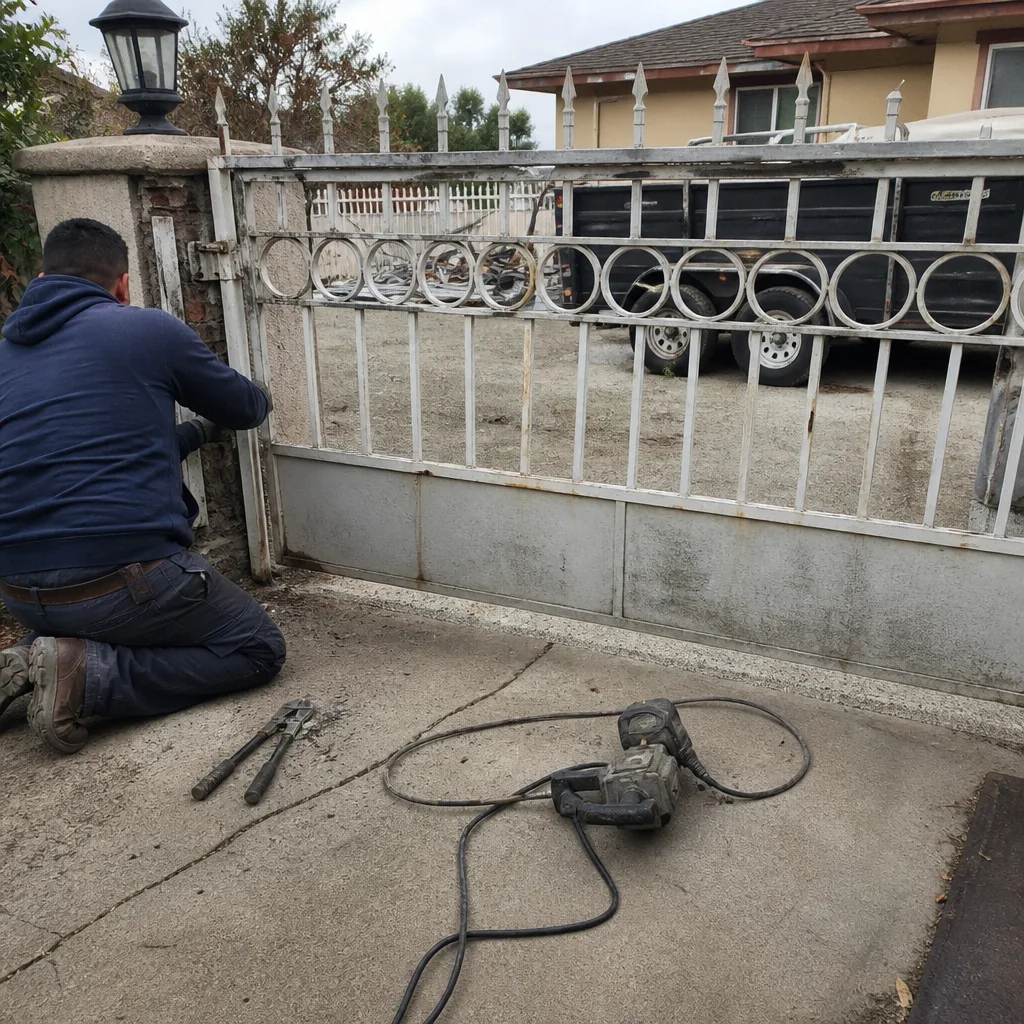
See the difference
 Before
 After
 Before
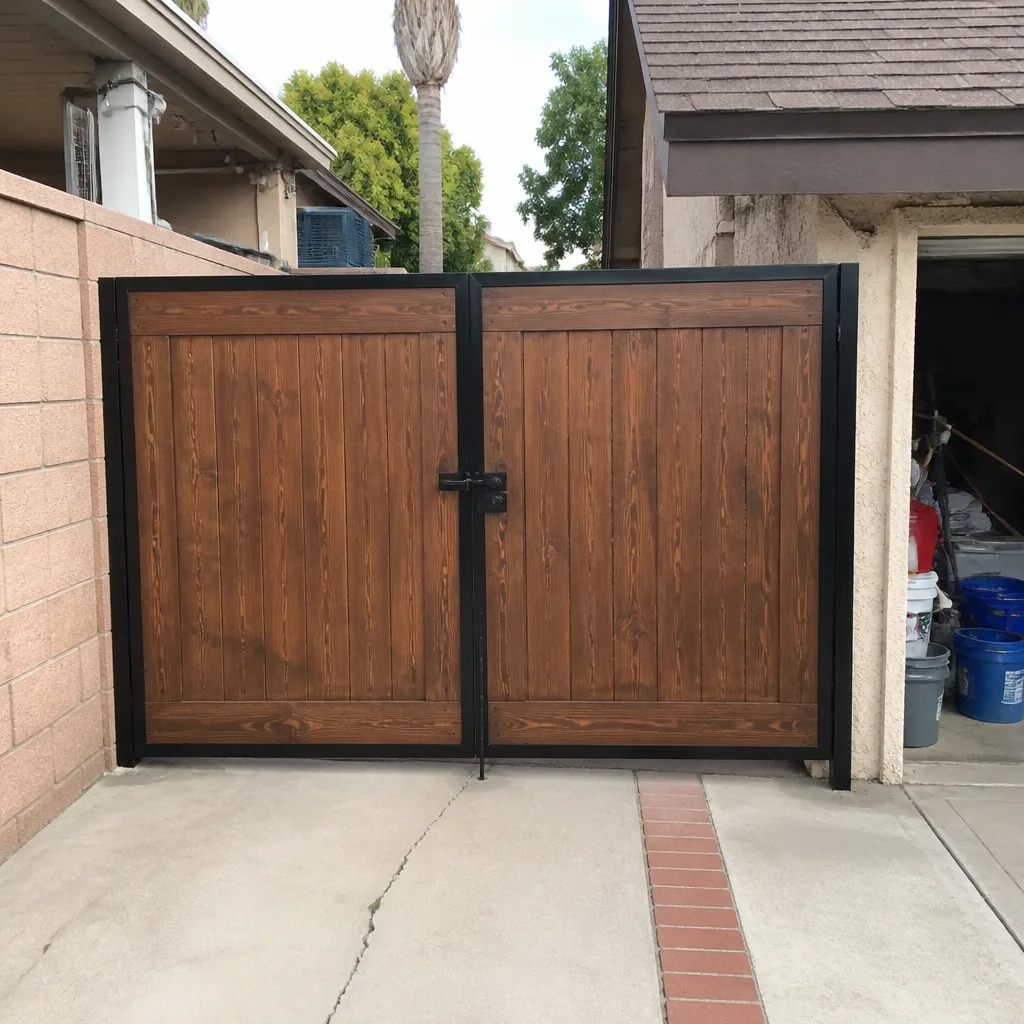 After
 Before
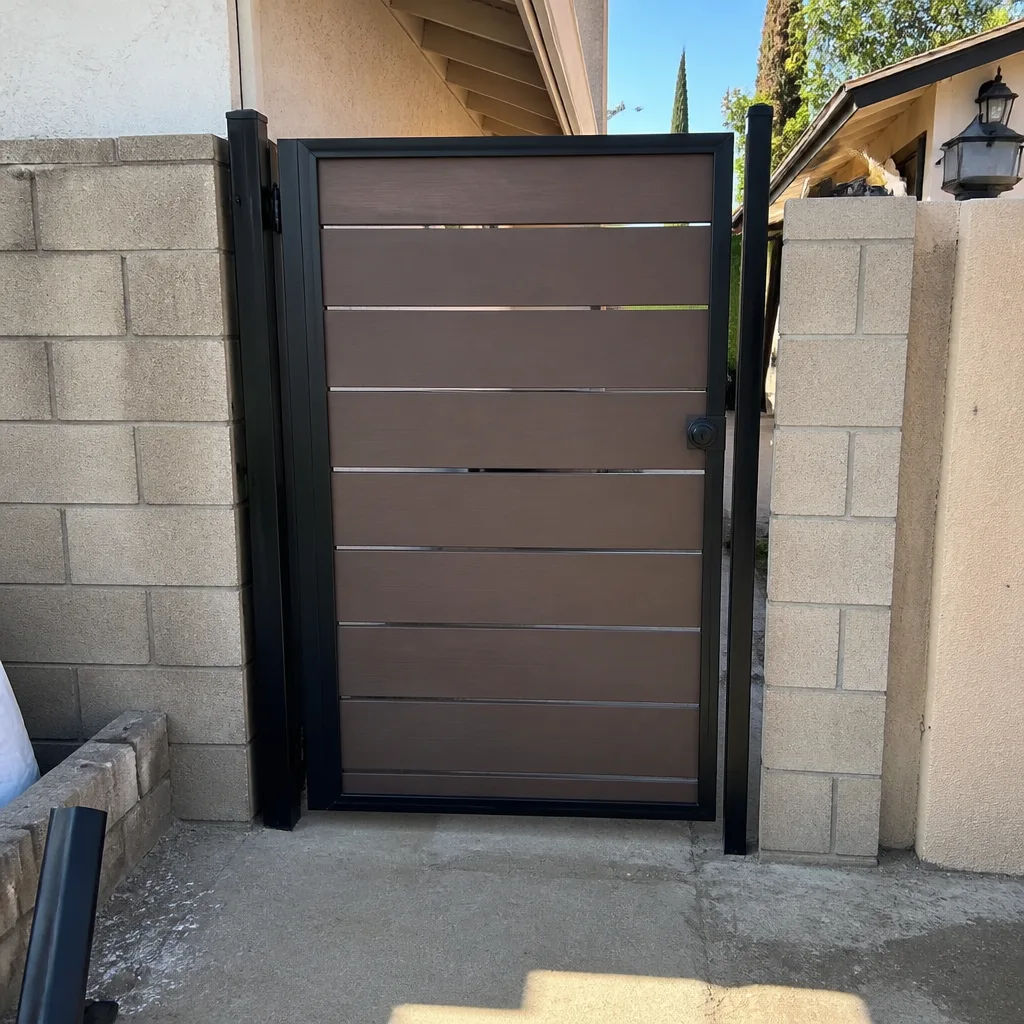 After
When to Call a Professional
Some seasonal maintenance is a DIY job. Other things are not. Call a professional if you see any of these: a swollen battery, a bulging capacitor, weld cracks that are visible to the naked eye, a gate post that has shifted more than half an inch, or an operator that trips the thermal protection repeatedly in moderate temperatures. Also call if you hear grinding, popping, or any noise from the operator that wasn’t there before. Those sounds are metal-on-metal contact, and they don’t get better on their own. Falcon Gate Repair offers free estimates in Upland and works on all nine major operator brands: LiftMaster, FAAC, BFT, Linear, Viking, Ghost Controls, DoorKing, Elite, and Mighty Mule. Call (833) 918-6938 for a free estimate. We’re gate-only specialists, and we handle both repair and new installation, so you don’t need a second company when it’s time to replace a system instead of fixing it.
Frequently Asked Questions
Four times a year, aligned with the seasons: spring post inspection after rain, summer pre-heat operator and battery check, fall hinge and auto-reverse prep before Santa Ana winds, and winter lubrication and hydraulic fluid check. Each session takes 20-30 minutes.
Santa Ana winds genuinely damage swing gates in Upland. A 50 mph gust against a 12-foot solid panel creates hundreds of pounds of lateral force, which is more than most residential hinges and operator arm brackets are rated to withstand repeatedly. The damage accumulates over multiple wind events, not from a single gust.
Cold temperatures thicken hydraulic fluid and grease, which increases the load on the motor. If your gate is noticeably slower on cold Upland mornings, the most likely causes are old hydraulic fluid, cold-thickened grease on the rack and pinion, or a chain that has contracted in the cold. Check lubrication before assuming the motor is failing.
Yes, if you make adjustments through the control panel or the manufacturer’s app, following the manual’s instructions. LiftMaster uses the MyQ app, DoorKing uses labeled circuit-board controls, and FAAC uses either trim potentiometers or an LCD menu. Physically modifying components or bypassing sensors will void the warranty.
Sight-line down the fence row and look for any post that’s out of alignment with the others. Also check for new cracks in the concrete around the post base or a visible gap between the post and the concrete. A shifted post causes the gate to bind, the latch to miss, and the operator to strain.
We work on nine major gate operator brands: LiftMaster, FAAC, BFT, Linear, Viking, Ghost Controls, DoorKing, Elite, and Mighty Mule. This covers entry-level residential systems through professional-grade commercial operators. If you’re unsure whether we service your specific model, call (833) 918-6938 and ask, estimates are free.
The Bottom Line
Upland’s seasonal pattern is predictable: hot dry summers, windy falls, cold-snap winters, and soil-shifting springs. Each season stresses a different part of your gate system, and a care calendar built around those specific stresses prevents more failures than any generic maintenance routine. The highest-value actions are simple: check hinges and auto-reverse before Santa Ana season, check batteries and finishes before summer, lubricate with synthetic grease before winter, and inspect posts and welds after spring rains. Do those four things consistently and your gate will outlast most of the systems we see in Upland that get ignored until they stop. And when something does break, Falcon Gate Repair handles it: Falcon Gate Repair home of gate-only specialists covering repair, electric repair, and installation, with free estimates at (833) 918-6938.
Written by the team at Falcon Gate Repair, serving Upland since 2018. Explore our more guides & resources for gate owners.