
Last updated November 2, 2026
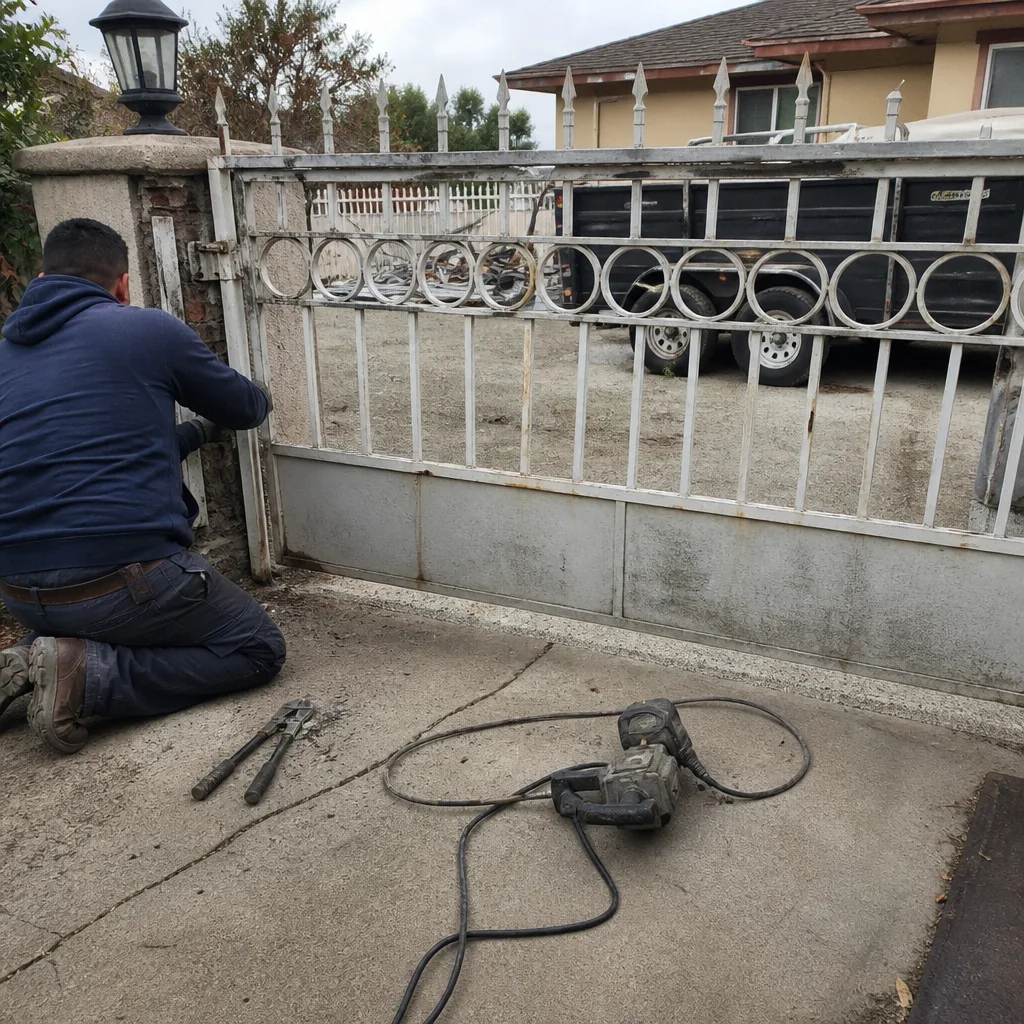
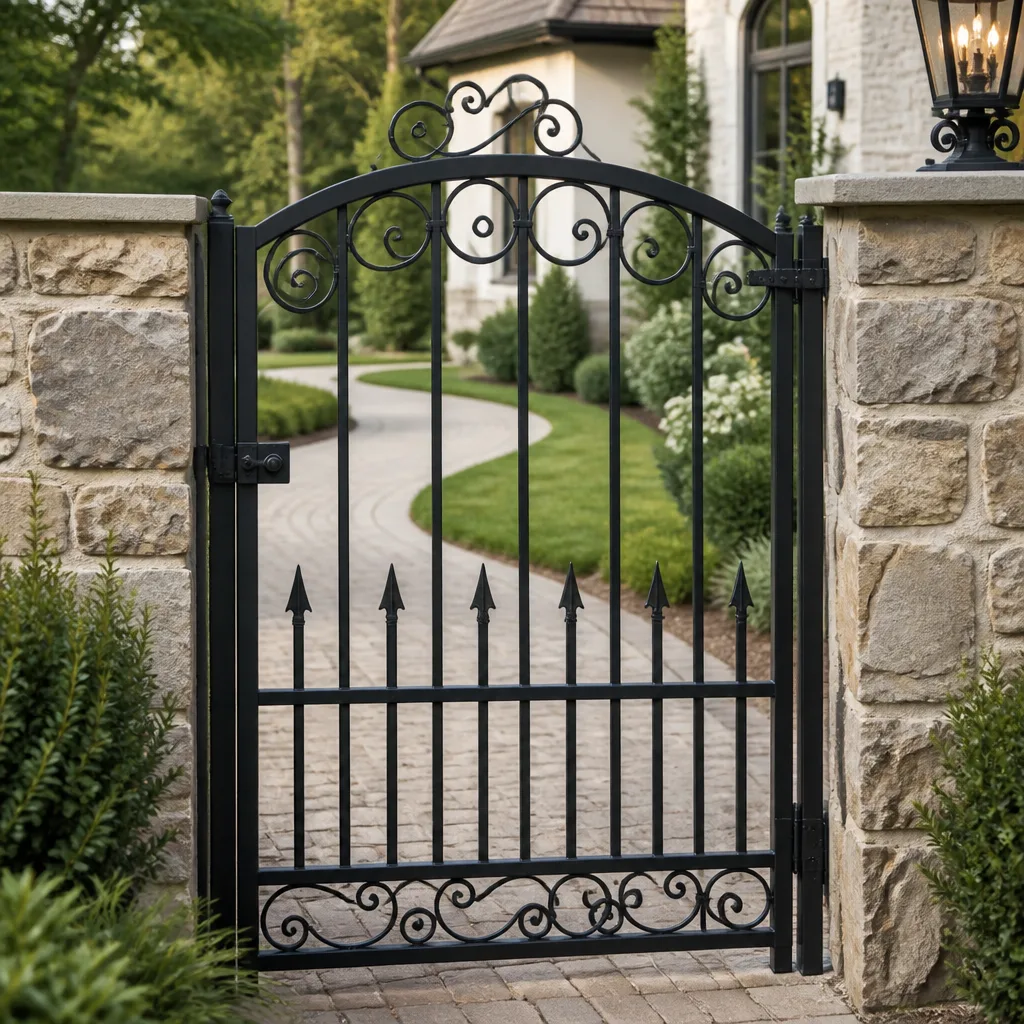 Wrought iron
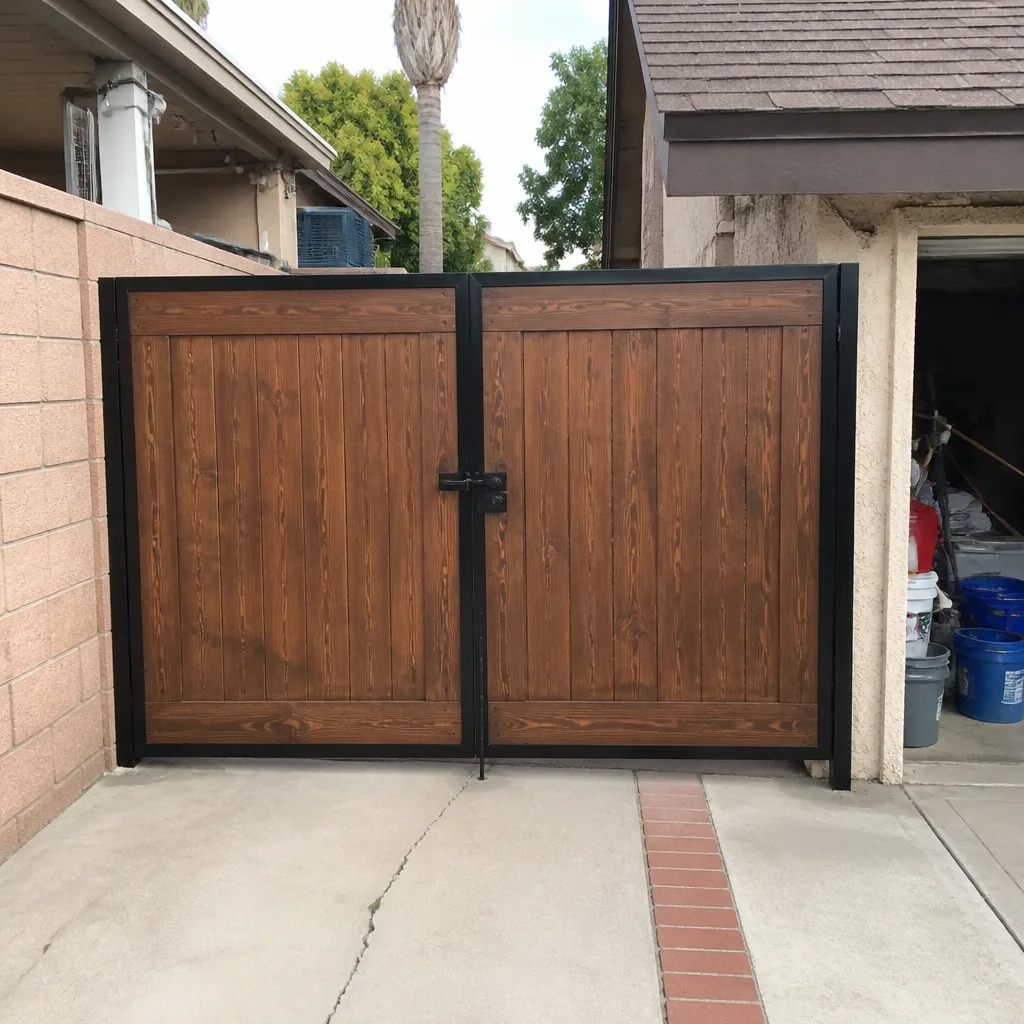
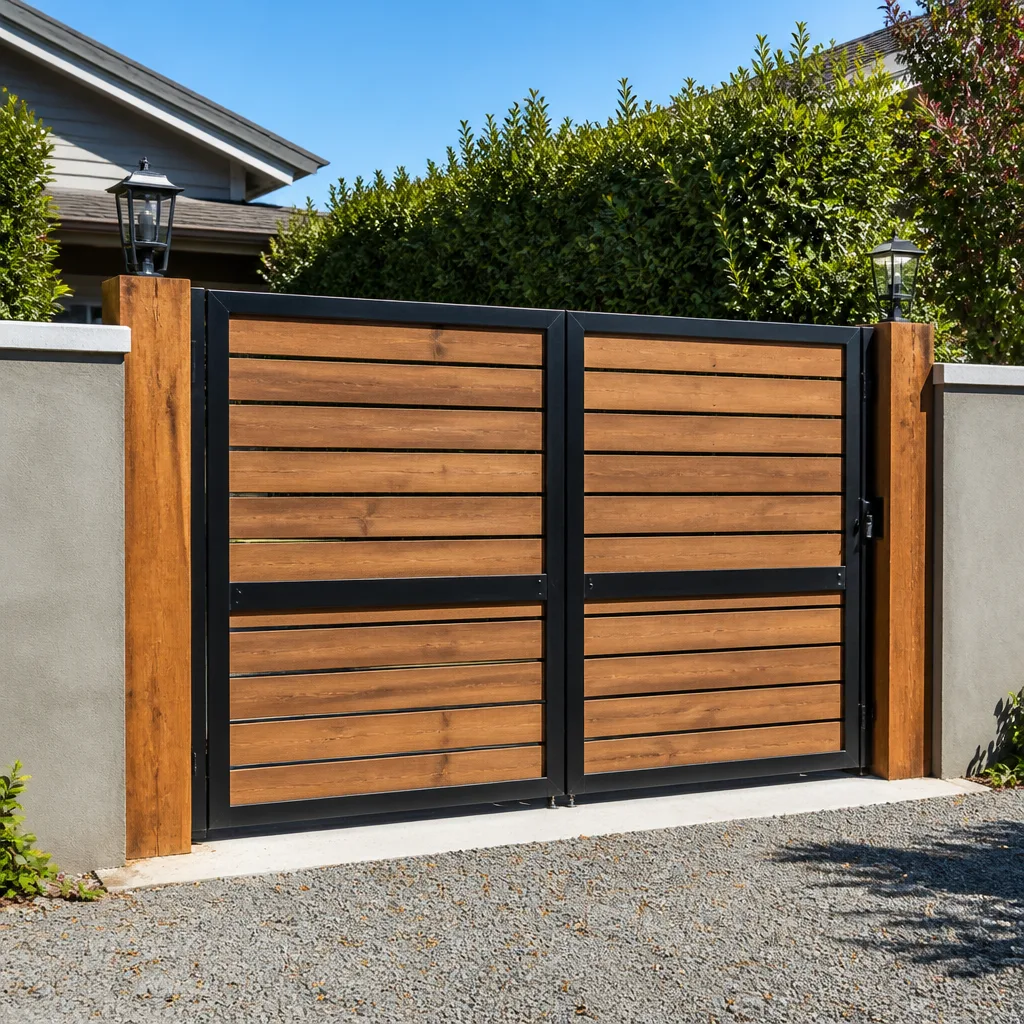 Wood & steel frame
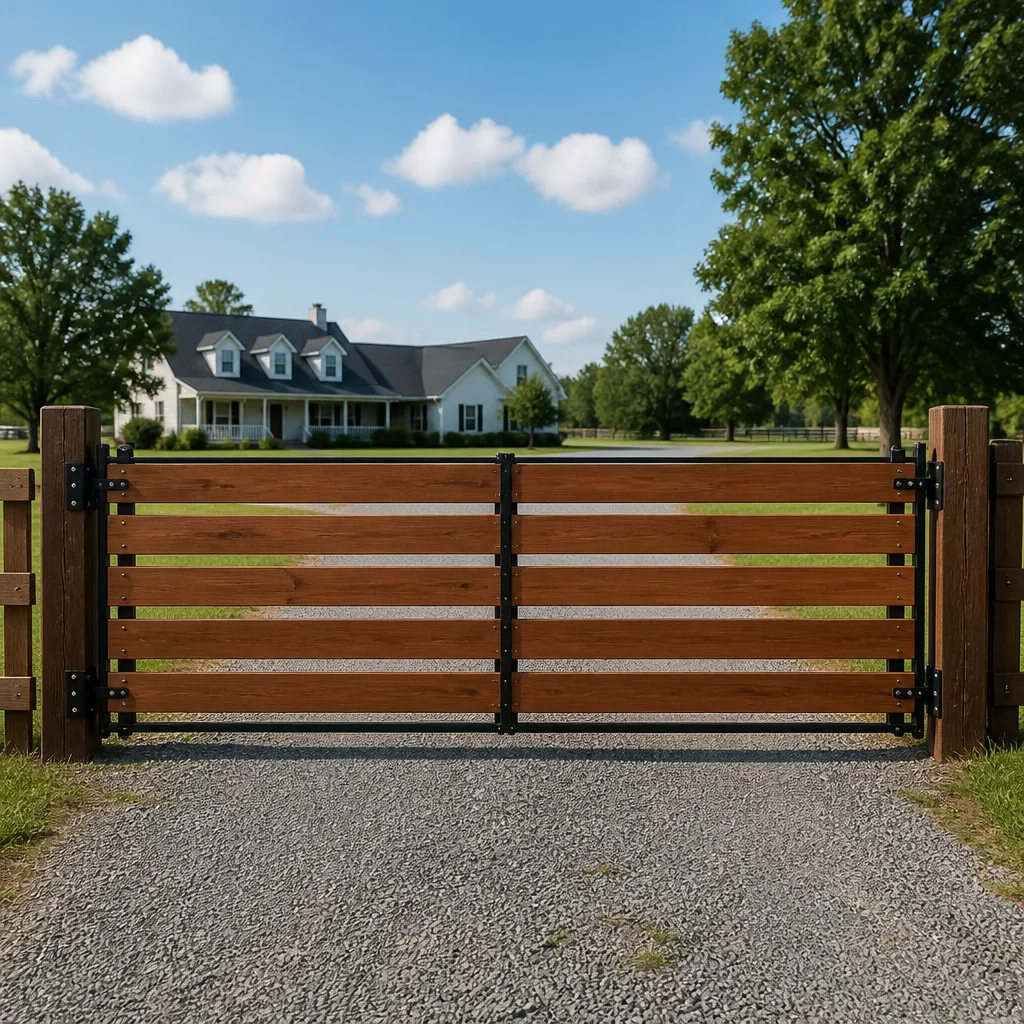 Farm & ranch
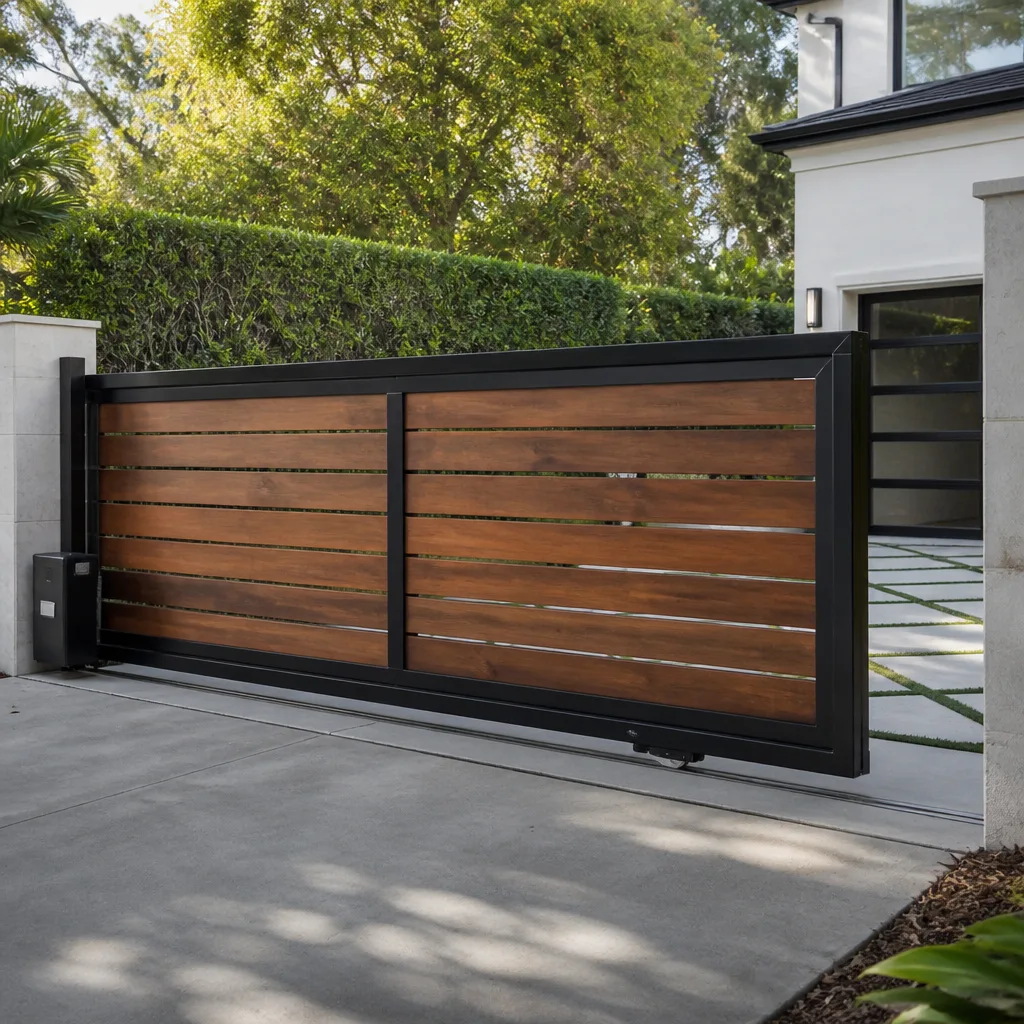 Sliding driveway gates
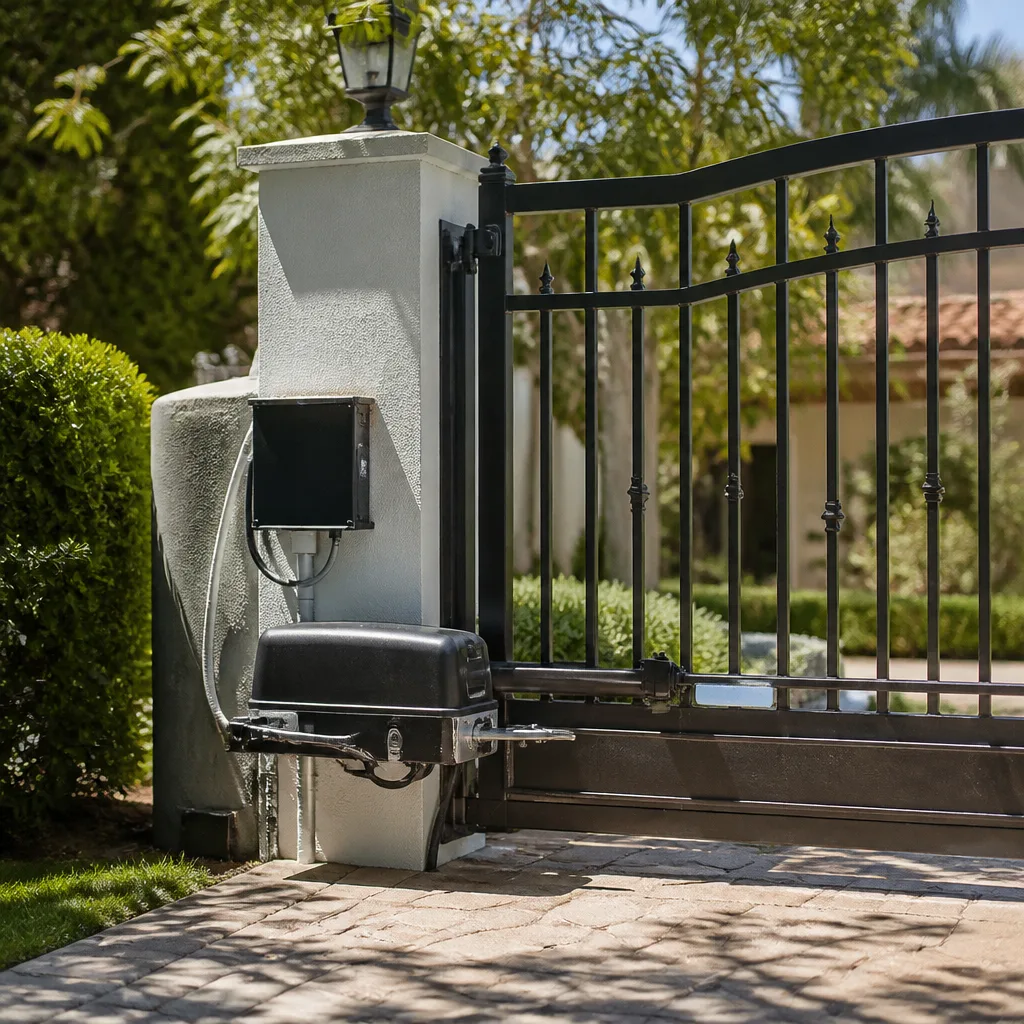 LiftMaster operators
Free on-site gate assessment - hinges, posts, and your LiftMaster or Nice gate operator checked before anything is quoted
The assessment is free and the quote is the invoice.
Get your free estimateHow to Hire a Gate Repair Contractor in Upland: A Step-by-Step Guide
Most contractors advertising gate repair in Upland are garage door companies first and gate technicians second. That distinction matters more than any review score or price quote. A gate is not a horizontal garage door tipped on its side. Different motors, different control logic, different safety requirements, different failure modes. This guide walks you through how to separate the generalists from the gate-only specialists before you hand anyone a deposit, and it starts with one question that reveals the gap in about five seconds.
Styles & brands we work with
- Wrought iron
- Wood & steel frame
- Farm & ranch
- Sliding driveway gates
- LiftMaster operators
Quick Answer
To hire a gate repair contractor in Upland, verify they hold a California C-61/D28 contractor classification, ask brand-specific questions about your gate operator (like which LiftMaster arm configuration your system uses), request an itemized quote with labor and parts separated, and confirm they perform an on-site diagnostic before quoting any repair. A gate-only specialist will answer technical questions directly; a garage door generalist will hesitate.
Table of Contents
- Step 1: Verify the California License Classification
- Step 2: Five Interview Questions That Expose a Generalist
- Step 3: How to Read a Gate Repair Quote Line by Line
- Step 4: Reading Reviews for Gate-Specific Detail
- Step 5: What a Legitimate Diagnostic Visit Looks Like
- Step 6: Why Brand Coverage Determines Repair Quality
- Step 7: Warranties, Insurance, and What Protects You
- Common Mistakes to Avoid
- When to Call a Professional
- Frequently Asked Questions
- The Bottom Line
Step 1: Verify the California License Classification
California doesn’t have a single “gate repair license.” Contractors working on automated gate systems fall under the C-61/D28 classification, which covers doors, gates, and activating devices. That’s the exact category you want to see on a contractor’s license. It confirms they’re legally authorized to touch the motor, the control board, the safety loops, and the structural gate itself.
A general contractor with a B classification can legally frame a fence and hang a manual gate. But automation work, wiring control panels, installing loop detectors, and integrating access systems falls under the D28 specialty. In Upland, where many homes in the foothill neighborhoods north of the 210 have long driveway gates with electric openers, the distinction has real liability implications. If an unclassified contractor wires a gate incorrectly and someone gets injured, your homeowner’s insurance may look for reasons to deny the claim.
Here’s the straightforward test:
- Ask for the license number before scheduling the diagnostic.
- Look it up on the California Contractors State License Board website.
- Confirm the classification includes C-61/D28.
- Check that the license is active and the bonding is current.
We work on gates exclusively, so the D28 classification isn’t a technicality for us. It’s the core of the trade. When you call a general contractor for gate work, you’re asking someone whose license covers forty different trades to execute one delicate repair. The math rarely favors you.
Step 2: Five Interview Questions That Expose a Generalist
Here’s the opening hook from the top of this guide: ask any gate repair quote caller this one question. “Do you stock LiftMaster LA500 ram arms?” A garage door generalist will pause. They may say “we can order that.” A gate repair specialist in Upland will ask a clarifying question in return: “Left-arm or right-arm configuration?” That answer tells you whether the person on the phone has ever installed or repaired a ram-arm operator, or whether they’d be learning on your property.
That’s one question. Here are five more, with the answers that separate a specialist from a generalist. Browse our more guides & resources for deeper coverage.
Question 1: “Which gate operator brands do you service regularly?”
Generalist answer: “All of them. We do everything.” Specialist answer: A specific list. LiftMaster, FAAC, BFT, Linear, Viking, Ghost Controls, DoorKing, Elite, Mighty Mule. A specialist names brands because they know which control boards they’ve replaced in the last month. “All of them” means “none of them enough to remember.”
Question 2: “What’s the most common point of failure on a Mighty Mule system?”
Generalist answer: “The motor, usually.” Specialist answer: For entry-level Mighty Mule operators, it’s typically the control board or a burned out limit switch, often after a power surge. The motor itself is rarely the first thing to fail. The distinction matters because replacing a $150 board is a different job than replacing a $600 motor, and a specialist knows which to check first.
Question 3: “Can you explain the difference between a hydraulic and an electromechanical operator?”
Generalist answer: Vague hedging or a redirect. Specialist answer: A clear two-sentence explanation. Hydraulic operators use fluid pressure to move the gate, which suits heavy commercial gates and high-cycle applications. Electromechanical operators use a motor and gearbox, common on residential and lighter commercial systems. If the person can’t answer this in their sleep, they haven’t done the diagnostic training.
Question 4: “What safety devices are required on an automated gate in California?”
Generalist answer: “A sensor.” Specialist answer: Specifics: photo eyes or contact edges that detect obstructions, a reverse mechanism on the motor, and compliance with UL 325 standards for entrapment protection. In Upland, where many properties sit on slopes with gates at the bottom of a driveway, we regularly see edge sensors that have been bypassed or disabled by previous handymen. A specialist checks those first, because they’re the difference between a functional gate and a liability.
Question 5: “What does a diagnostic visit include before you quote a repair?”
Generalist answer: “We’ll come look at it and give you a price.” Specialist answer: A step-by-step inspection list. The person should describe checking the operator arm, the control board, the safety loops, the hinge pins, the power supply, and the gate’s physical alignment. If they can’t describe the diagnostic process, they don’t have one.
Five questions. Ten minutes on the phone. That’s all it takes to know who you’re dealing with.
Step 3: How to Read a Gate Repair Quote Line by Line
A quote tells you more about a contractor than any marketing page. The structure of the quote reveals the structure of the business. Here’s what to look for, line by line.
Labor should be itemized, not lumped
A “repair: $850” line with no breakdown means the contractor doesn’t want you to see the math. A legitimate gate repair quote separates diagnostic labor, repair labor, and any installation or adjustment labor. When we quote an electric gate repair in Upland, the customer sees exactly what the technician will do and how long each phase takes. That transparency isn’t a favor. It’s the only way to compare quotes fairly.
Parts should have brand names attached
“Replacement motor” is a red flag. “Replacement LiftMaster LA500 ram arm, left-hand configuration” is a quote from someone who knows what they’re ordering. Brand names on the quote are your assurance that the part is correct for your system, not whatever generic component the contractor found at a supply house. Ask for manufacturer part numbers when the repair involves a motor, control board, or safety sensor. A specialist writes them down without being asked.
Warranty terms should be specific
“We guarantee our work” is a sentence with no legal weight. A legitimate warranty states the term, the scope, and the exclusions. Example: “90-day warranty on labor. One-year manufacturer warranty on the replacement control board.” That’s a real promise. If the contractor won’t put the warranty in writing, don’t put their name on the work order.
Diagnostic fees should be disclosed upfront
Many Upland gate repair companies charge a diagnostic fee that’s credited toward the repair if you proceed. That’s fair and standard. What’s not fair is a contractor who shows up, pokes at the gate for ten minutes, and quotes a replacement without explaining what failed. Ask before the visit: “Is there a diagnostic fee, and is it credited toward the repair?” The answer should be immediate and unambiguous.
The quote should include a written scope
A one-line quote is a guess. A three-paragraph quote with a scope of work is a plan. The scope should state what will be repaired, what parts will be replaced, what safety devices will be tested, and what the gate should do when the work is complete. If the quote doesn’t describe a finished state, the contractor doesn’t have one in mind.
Step 4: Reading Reviews for Gate-Specific Detail
Online reviews for gate contractors follow a pattern. The red flags are easy to spot once you know what to look for.
Vague praise is a warning sign. “Great service, friendly guys, fast work” tells you nothing about gate competency. It tells you the contractor was pleasant and showed up. A review that mentions a specific repair, a specific brand, or a specific outcome is worth ten generic five-star ratings. Look for phrases like “replaced the control board on our BFT operator” or “fixed the safety loop that kept tripping.” Specifics prove the reviewer actually had gate work done.
Reviews clustered around garage door work are a disqualifier. If a company’s review history is 90% garage door springs and openers with a few gate mentions sprinkled in, you’re looking at a garage door company that takes gate calls. The Falcon Gate Repair home page explains our focus, but you can verify any company’s actual specialty by reading what customers actually hired them for. Reviews don’t lie about that.
Look for repeat-brand patterns. A gate specialist’s reviews will mention multiple operator brands across different jobs. One customer with LiftMaster, another with FAAC, another with a Mighty Mule system. That spread tells you the company works across the gate landscape, not just on one brand they happened to learn. In Upland, where residential gates range from basic Mighty Mule swing openers on northside properties to commercial-grade FAAC and BFT systems on gated communities, brand range is a practical necessity.
Supplier names in reviews signal legitimacy. When a reviewer writes “they had the part on the truck” or “ordered from the manufacturer directly,” that’s a signal the company maintains real supply relationships. Gate parts aren’t kept at big-box hardware stores. A contractor who has to run to a retail store mid-repair is operating on the edge of their knowledge.
Step 5: What a Legitimate Diagnostic Visit Looks Like
A real gate diagnostic is not a five-minute glance and a quote. It’s a systematic inspection that follows a sequence. Here’s what the technician should do before any price is mentioned.
- Test the gate’s current operation manually. They should disengage the operator and open the gate by hand to feel for resistance, binding, or sagging. A gate that doesn’t swing freely puts strain on the motor and will fail again after a motor-only repair.
- Inspect the operator and arm for mechanical wear. For a ram-arm system like the LiftMaster LA500, that means checking the arm’s extension, mounting bracket tightness, and any visible fluid leaks on hydraulic models.
- Open the control board enclosure. They should look for obvious burn marks, corrosion, blown fuses, or wiring that’s been spliced by previous owners. In Upland’s dry summers and occasional winter rain, control boxes take weather abuse even when covered.
- Test the safety devices. Photo eyes, contact edges, and loop detectors all need functional testing. A technician who skips this step is leaving an entrapment hazard on your property.
- Check the power supply and wiring. Voltage at the operator, condition of the conduit, proper grounding. Electrical problems often masquerade as mechanical failures.
- Ask about the gate’s history. When did it last work normally? Any recent power surges or construction nearby? Any previous repairs? The history often reveals the pattern.
Only after all six steps should the technician present options. And those options should include repair and replacement paths when both are viable. A contractor who only quotes a full system replacement without explaining what failed hasn’t earned the recommendation.
One more note on safety: automated gates can exert hundreds of pounds of force. Entrapment injuries are real and documented by the CPSC. If a technician suggests bypassing a safety sensor to “get it working again,” end the visit. That’s not a repair. That’s a risk you don’t want on your property.
Step 6: Why Brand Coverage Determines Repair Quality
Gate operators are not interchangeable. A LiftMaster control board won’t talk to a BFT motor. A FAAC hydraulic pump has a completely different diagnostic profile than a Linear electromechanical swing arm. Every brand has its own control logic, its own fault codes, its own common failure points.
When a contractor says they service “all gates,” what they usually mean is they’ve seen a few broken gates and can figure things out on site. That’s the difference between diagnosis and guesswork. We work on nine gate operator brands regularly: LiftMaster, FAAC, BFT, Linear, Viking, Ghost Controls, DoorKing, Elite, and Mighty Mule. That range isn’t a marketing list. It’s the practical reality of serving Upland, where a 1970s ranch house with a Mighty Mule opener sits three blocks from a gated estate with a commercial BFT system and a keypad entry.
Here’s why brand familiarity changes the repair outcome:
- Fault codes get read correctly. A LiftMaster error code means something specific. So does a FAAC code. A technician who knows the brand reads the code as information, not mystery.
- Parts orders are accurate the first time. Wrong parts mean multiple visits, which means multiple labor charges. Brand familiarity eliminates that delay.
- Diagnosis anticipates the second failure. When a Ghost Controls board fails, the root cause is usually a power surge or a misaligned limit switch. A brand-aware technician checks both. A generalist replaces the board and hopes.
- Upgrade recommendations are grounded in reality. If your Mighty Mule system has failed three times in two years, the honest recommendation may be moving to a more robust operator. A specialist can explain the trade-off. A generalist can only sell what they stock.
Ask the question early: “How many [your brand] systems have you worked on?” Listen for a number, a story, or a specific observation. Anything vague means the answer is “not many.”
Step 7: Warranties, Insurance, and What Protects You
Two documents protect you when a gate repair goes wrong: the contractor’s warranty and the contractor’s insurance. Both should be verified before work starts.
Warranty expectations. Labor warranties in gate repair typically run 30 to 90 days. Parts warranties come from the manufacturer and can run one to five years depending on the component. Ask for both in writing. A contractor who won’t commit to a written labor warranty is telling you they don’t expect their work to last. Walk away.
Insurance verification. Ask for proof of general liability insurance and workers’ compensation coverage. If a technician gets injured on your property and the contractor lacks workers’ comp, your homeowner’s insurance may be on the hook. This isn’t a trivial concern in California, where liability claims are common and insurance companies scrutinize every outlay. Any legitimate contractor will provide an insurance certificate on request without hesitation.
Permit considerations. Most gate repairs don’t require a permit. But a full gate installation, especially one involving new concrete footings, electrical work, or changes to a driveway entry, may require Upland city permits. A knowledgeable contractor will tell you when a permit applies and when it doesn’t. If they brush off the question, they may not actually know the answer.
For a deeper look at what’s involved when repairs aren’t enough, our gate installation guide for Upland homeowners covers the full process from measurement to final programming.
Common Mistakes to Avoid
- Hiring the first company that answers the phone. Availability is not competence. A contractor who can come same-day every day may not have any other work scheduled, which is its own signal. Interview before you book.
- Skipping the license verification. An unlicensed contractor may be cheaper. They’re also uninsured, unbonded, and unaccountable when the repair fails or someone gets hurt. Check the CSLB website. It takes two minutes.
- Accepting a quote over the phone without a site visit. A gate repair price quoted before anyone sees the gate is a guess, not a quote. Even the most experienced technician needs eyes on the operator, the board, and the installation conditions.
- Choosing the lowest bid without comparing scope. A cheap quote that covers only the motor replacement will cost more than a fair quote that includes the motor, the safety sensor check, and the alignment. Same price, different gate.
- Ignoring brand-specific experience. A technician who’s never touched a FAAC hydraulic system will learn on your gate. That’s not a discount. That’s a tuition payment.
- Bypassing safety devices to save money. Disabling a photo eye or loop detector makes the gate work but creates an entrapment hazard. No savings are worth that risk.
- Not getting the warranty in writing. Verbal promises evaporate. Written warranties survive. If it’s not on paper, it didn’t happen.
When to Call a Professional
Some gate problems are obvious: the gate won’t open at all, the motor grinds without moving the gate, or the opener reverses for no reason. Those are clear calls for professional repair. But subtler issues also warrant a diagnostic visit. A gate that opens slower than it used to is drawing excess current and may fail soon. A gate that slams, shudders, or scrapes is misaligned and wearing itself out. A keypad that works intermittently may be a dying control board, not a battery problem. If your gate’s behavior changed recently and you can’t explain why, don’t wait for total failure. Falcon Gate Repair offers Gate Repair with free estimates in Upland, call (833) 918-6938 to schedule a diagnostic.
Frequently Asked Questions
Gate repair in Upland typically ranges from $180 for a simple limit switch adjustment or keypad reprogramming to $800 or more for control board replacement or motor rebuilds. The specific operator brand, the failure point, and the gate’s physical condition all affect the final price. Any quote should be itemized and agreed upon before work starts. Call (833) 918-6938 for a free estimate on your specific system.
A garage door company can sometimes fix basic gate issues, but automated gates use different motors, different control logic, and different safety systems than garage doors. For help selecting a qualified provider, read our Choosing the Right Gate Repair Brand: A Buyer’s Guide for Upland. The overlap is superficial. A gate-only specialist has the brand-specific knowledge and the D28 classification that an automated gate repair actually requires. In Upland, the distinction shows up quickly when you ask technical questions.
The decision comes down to three factors: the age of the operator, the condition of the gate itself, and the failure history. If your operator is over 15 years old and the gate structure is rusted or sagging, replacement often makes more financial sense than repeated repairs. A legitimate diagnostic will present both options with real numbers, not a hard sell. Falcon Gate Repair handles both repair and new installation, so our recommendation isn’t biased toward either path.
Ask about their California license classification, their experience with your specific operator brand, their diagnostic process, their warranty terms in writing, and their insurance coverage. Five questions take ten minutes and eliminate most bad hires. The answers should be specific. Brand names, part numbers, timeframes. Vagueness is the signal to keep looking.
Most common gate repairs, including control board replacement, limit switch adjustment, and safety sensor repair, are completed in one visit of two to four hours once the part is on hand. Repairs requiring ordered parts may take several days. The diagnostic visit itself typically takes under an hour. Emergency repairs for gates stuck open or closed may be prioritized depending on scheduling.
Most gate repairs, including motor, control board, and sensor replacement, do not require a city permit. New gate installations involving concrete work, electrical runs, or changes to the driveway entry may require Upland permits. Your contractor should identify any permit requirements during the estimate. If they can’t answer the permit question, that’s a warning sign about their local experience.
The Bottom Line
Hiring a gate repair contractor in Upland comes down to verification and specificity. Verify the license classification. Ask brand-specific questions and listen for direct answers. Demand an itemized quote and a written warranty. Watch for reviews that describe actual gate work, not vague pleasantries. And never accept a repair that bypasses a safety device. The gate at the end of your driveway is a security barrier, an access point, and a heavy moving object. The person who repairs it should understand all three. If you have questions about your gate, call Falcon Gate Repair at (833) 918-6938. We’ll tell you what’s wrong, what it takes to fix, and what it costs before any work begins. For additional reading, see our Seasonal Gate Repair Care for Upland: Year-Round Homeowner’s Guide.
Written by the team at Falcon Gate Repair, serving Upland since 2018.
See the difference
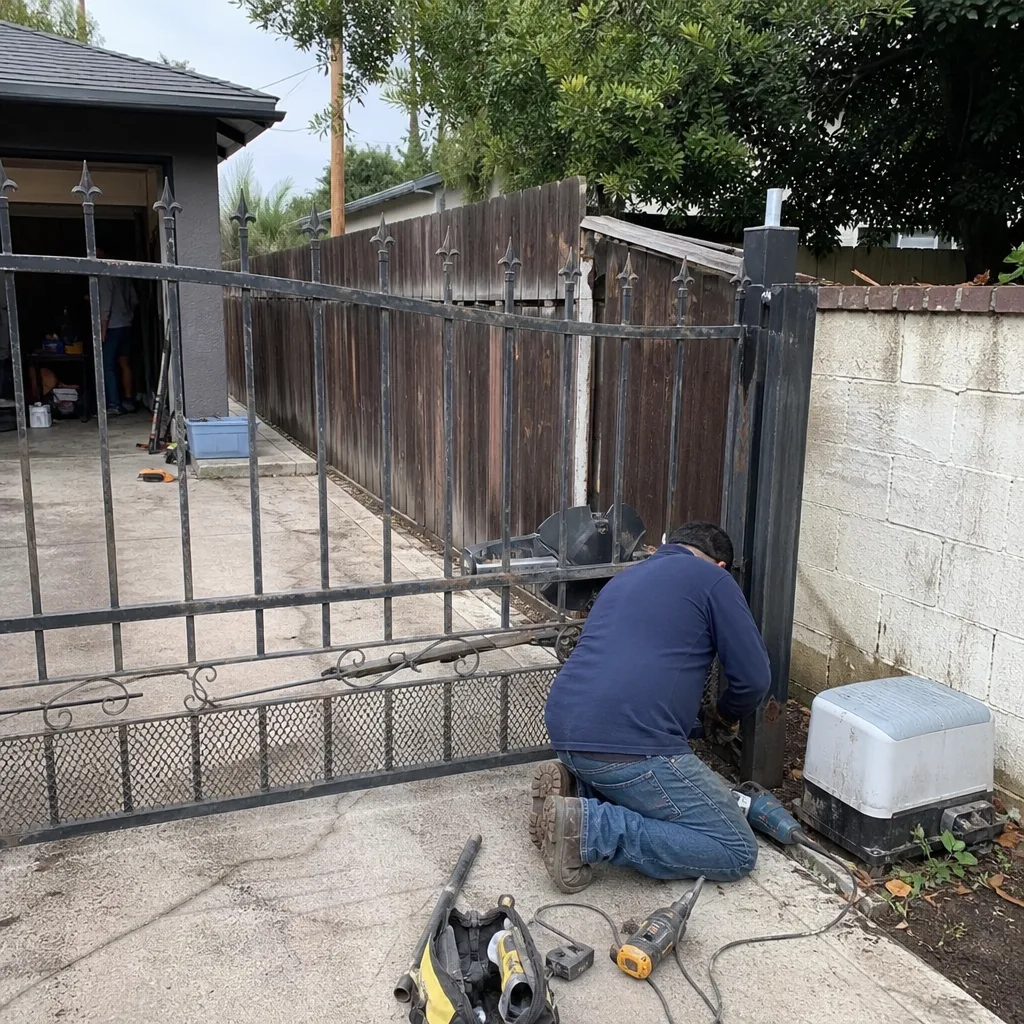 Before
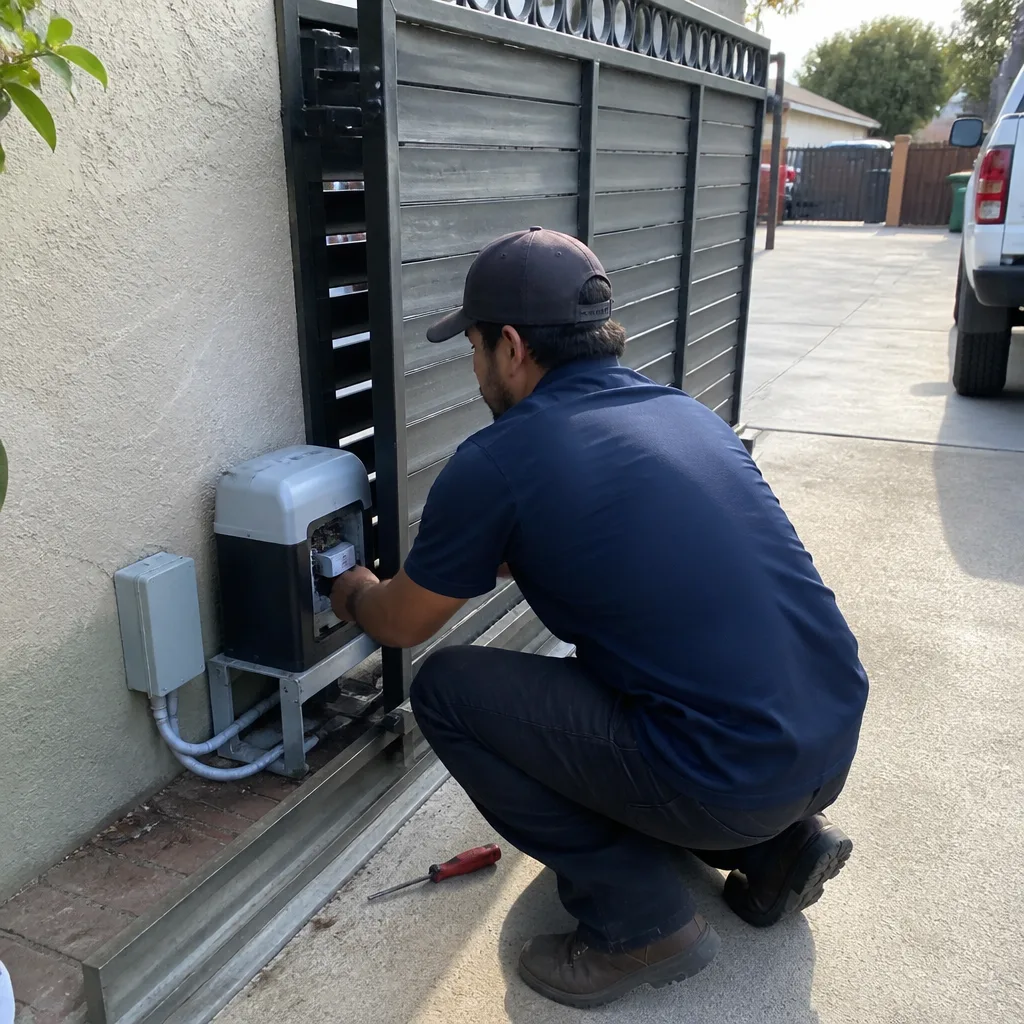 After
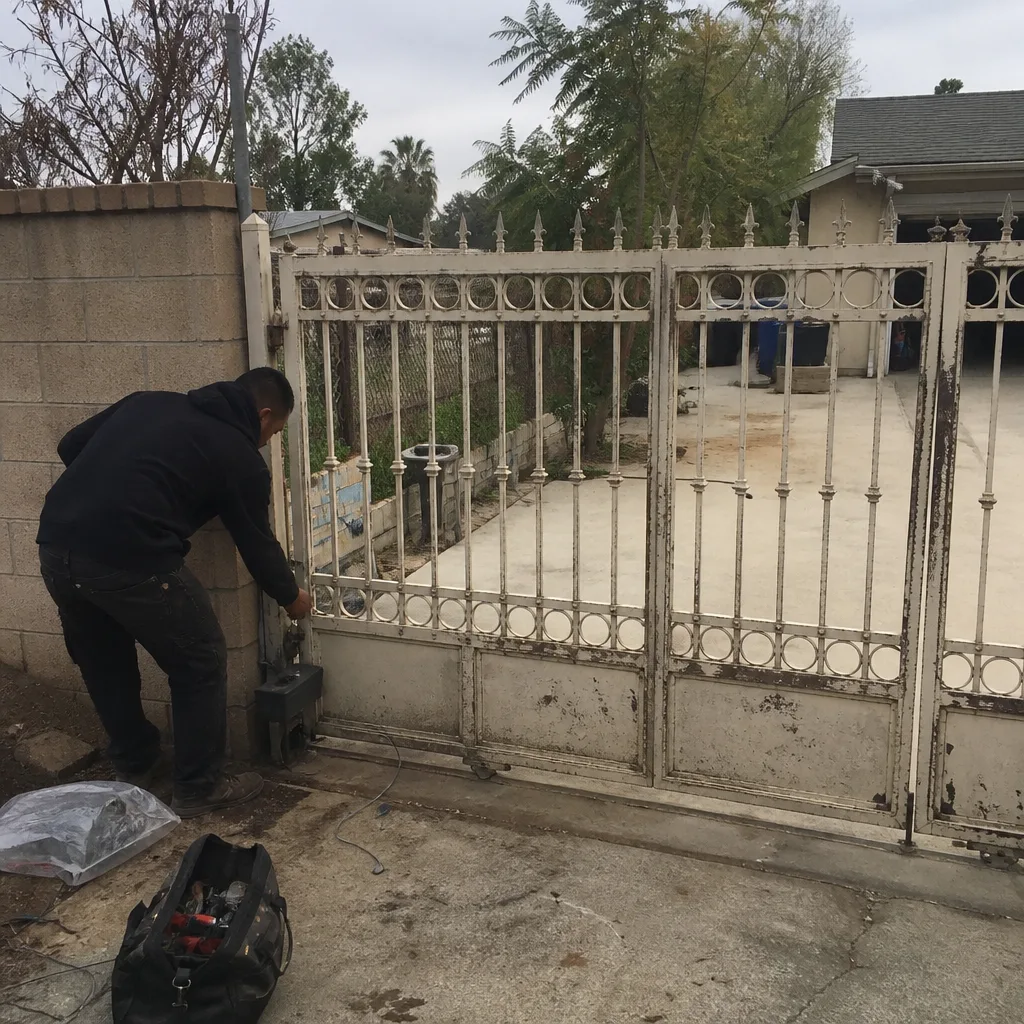 Before
 After
 Before
 After