
Last updated November 2, 2026
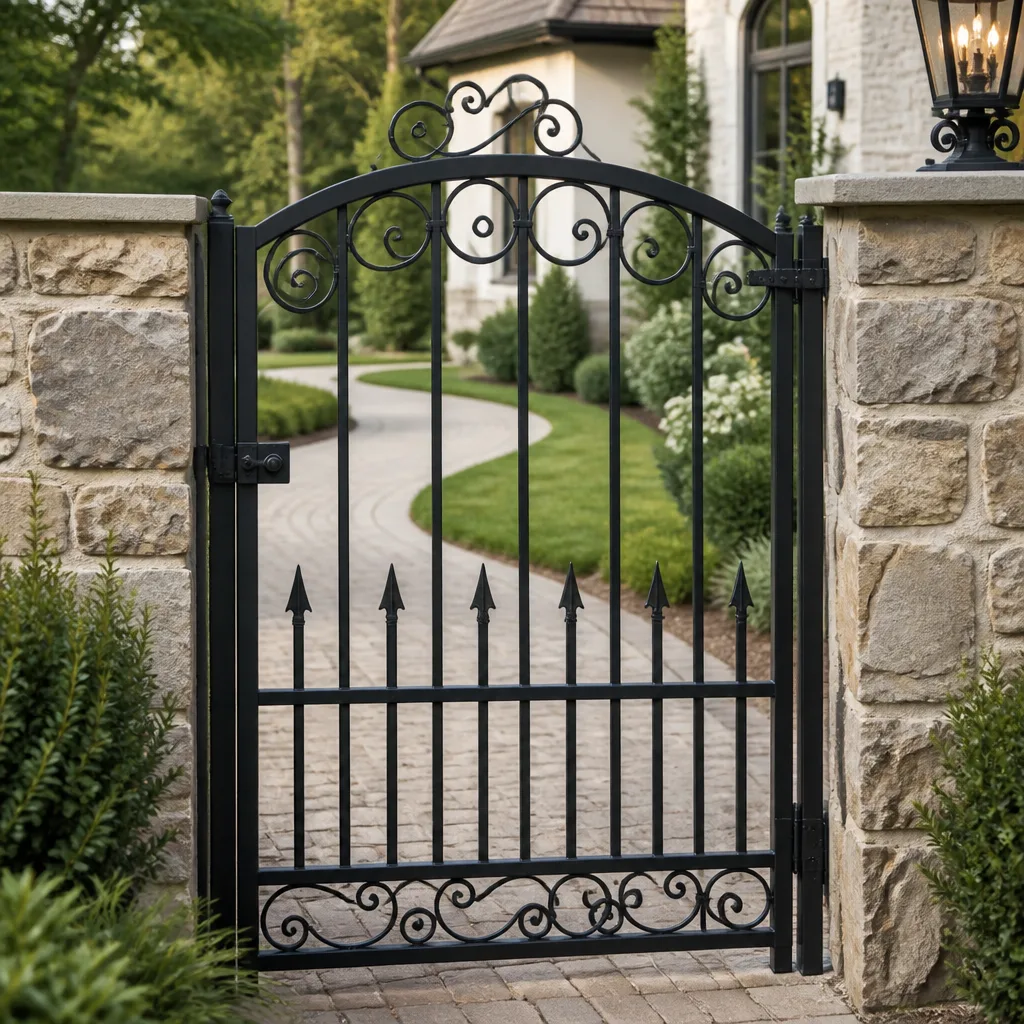 Wrought iron
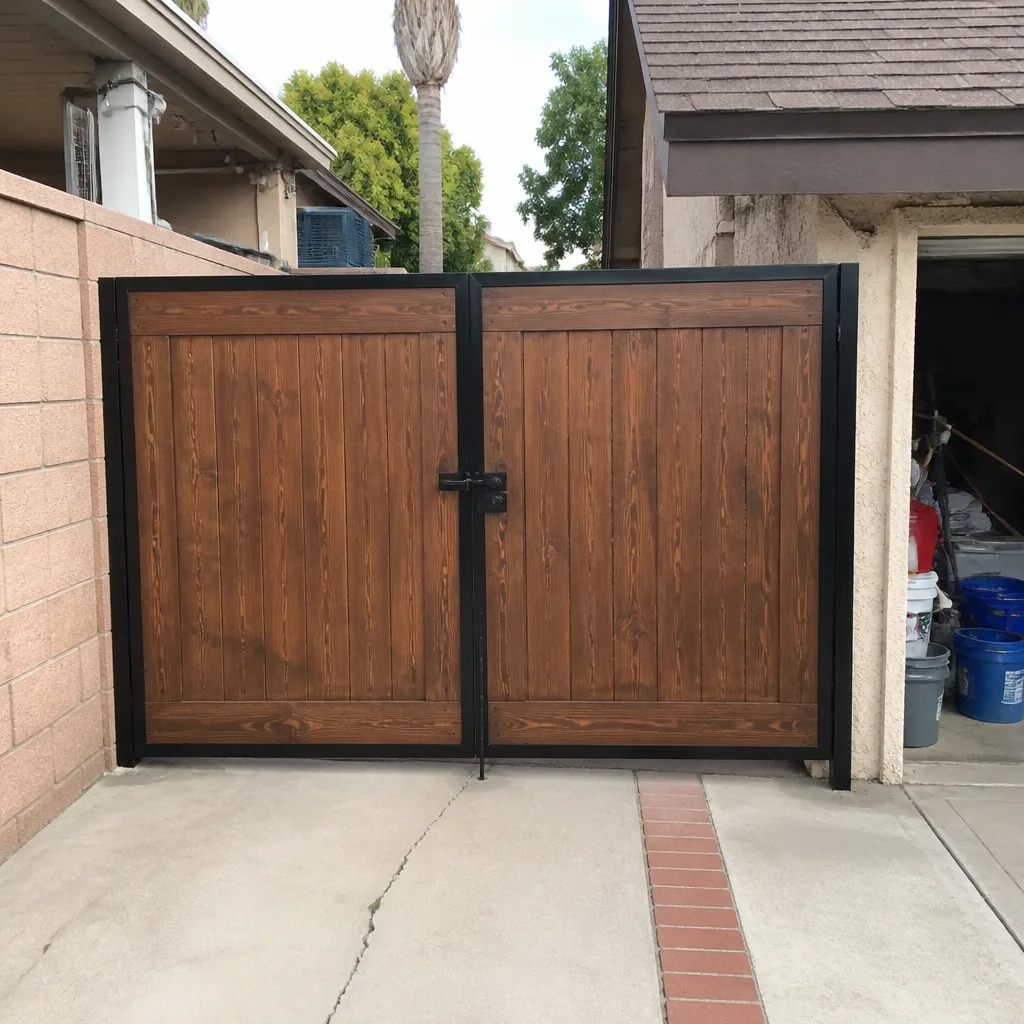
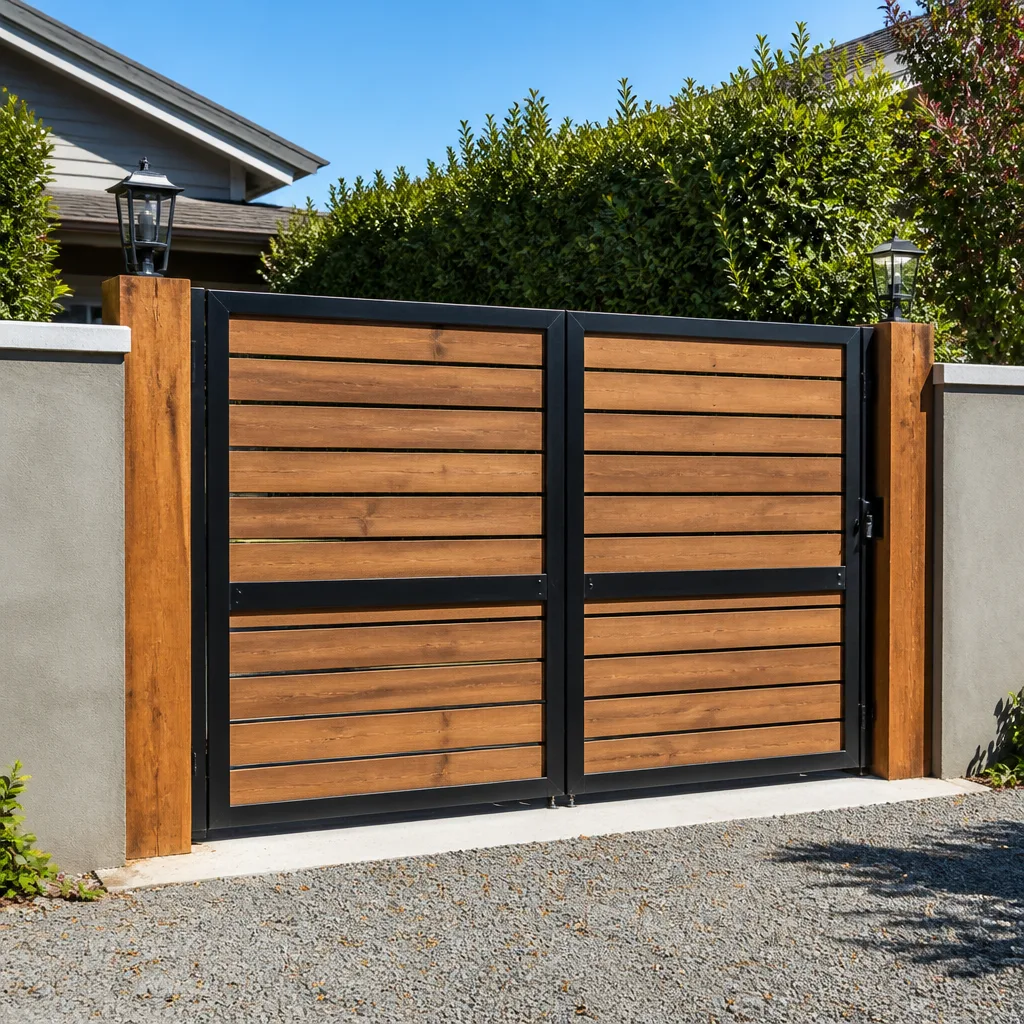 Wood & steel frame
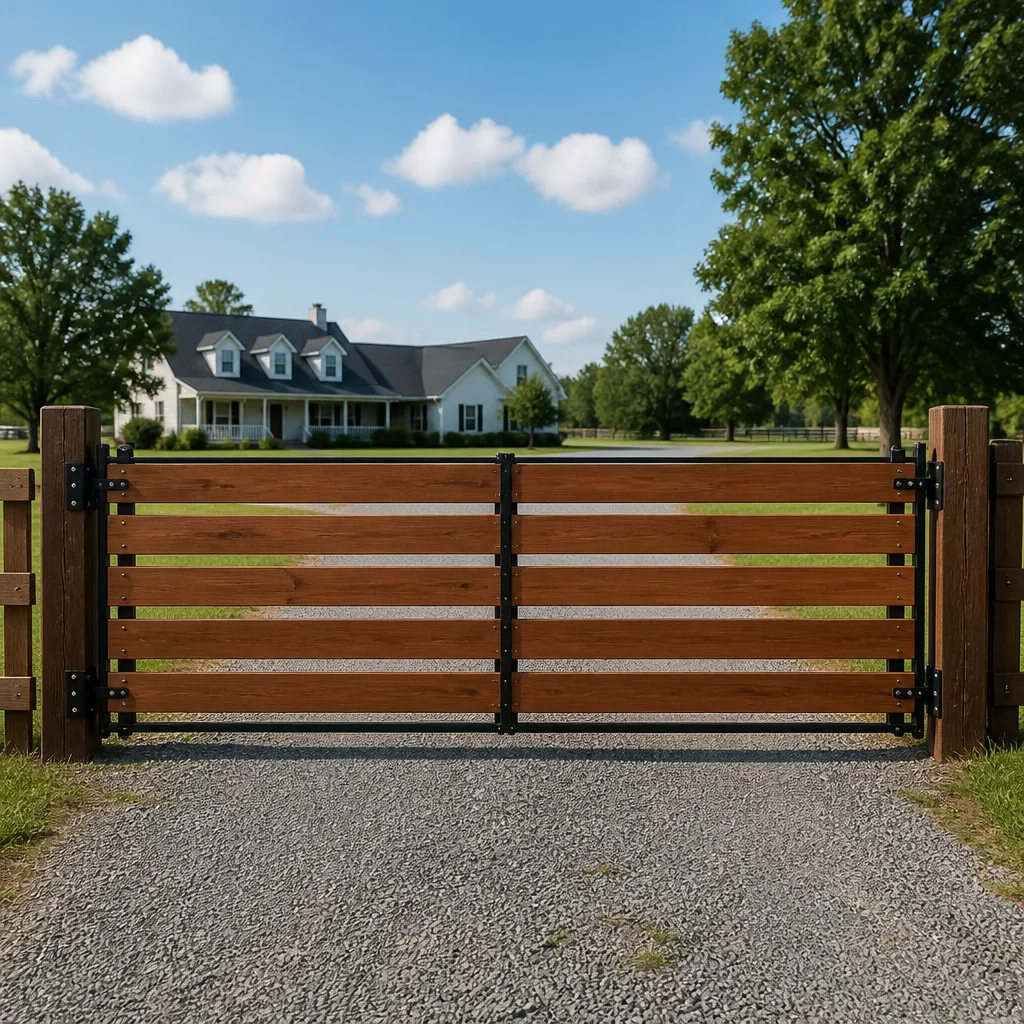 Farm & ranch
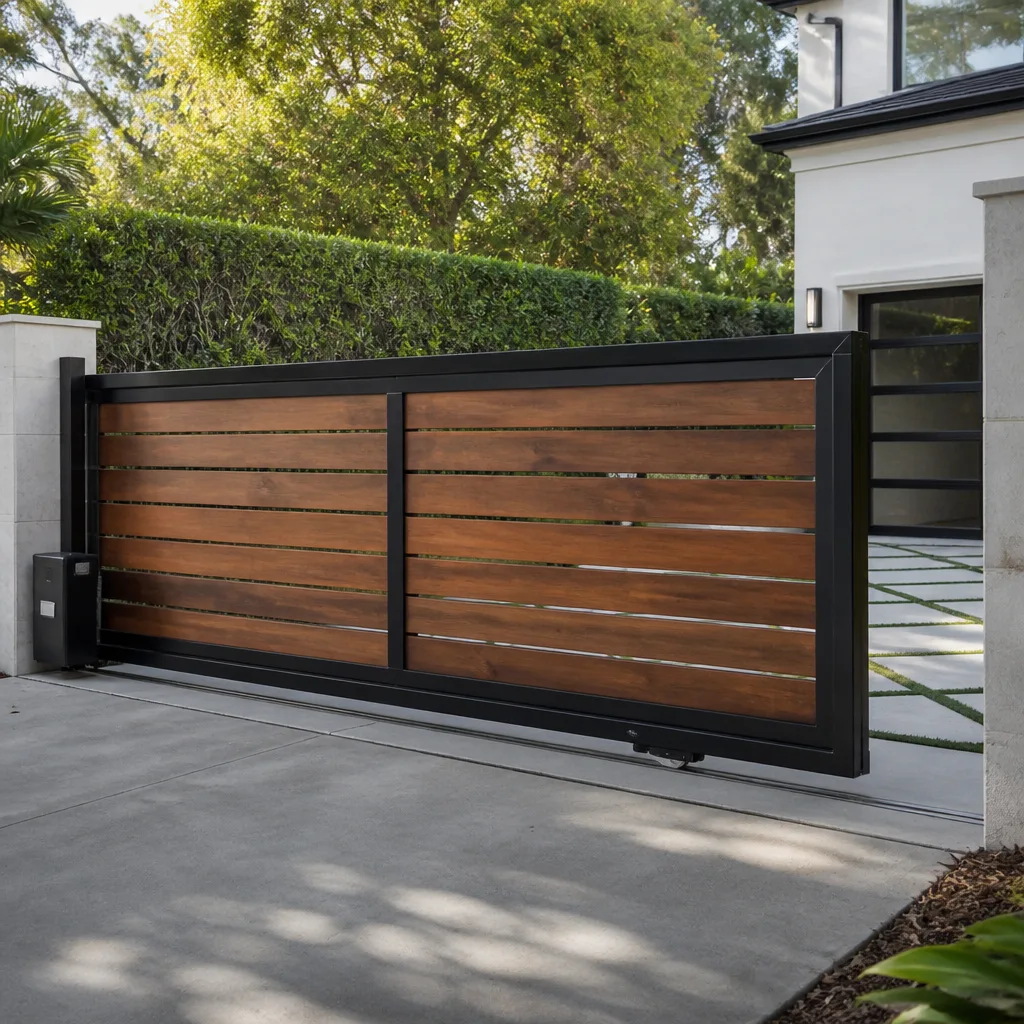 Sliding driveway gates
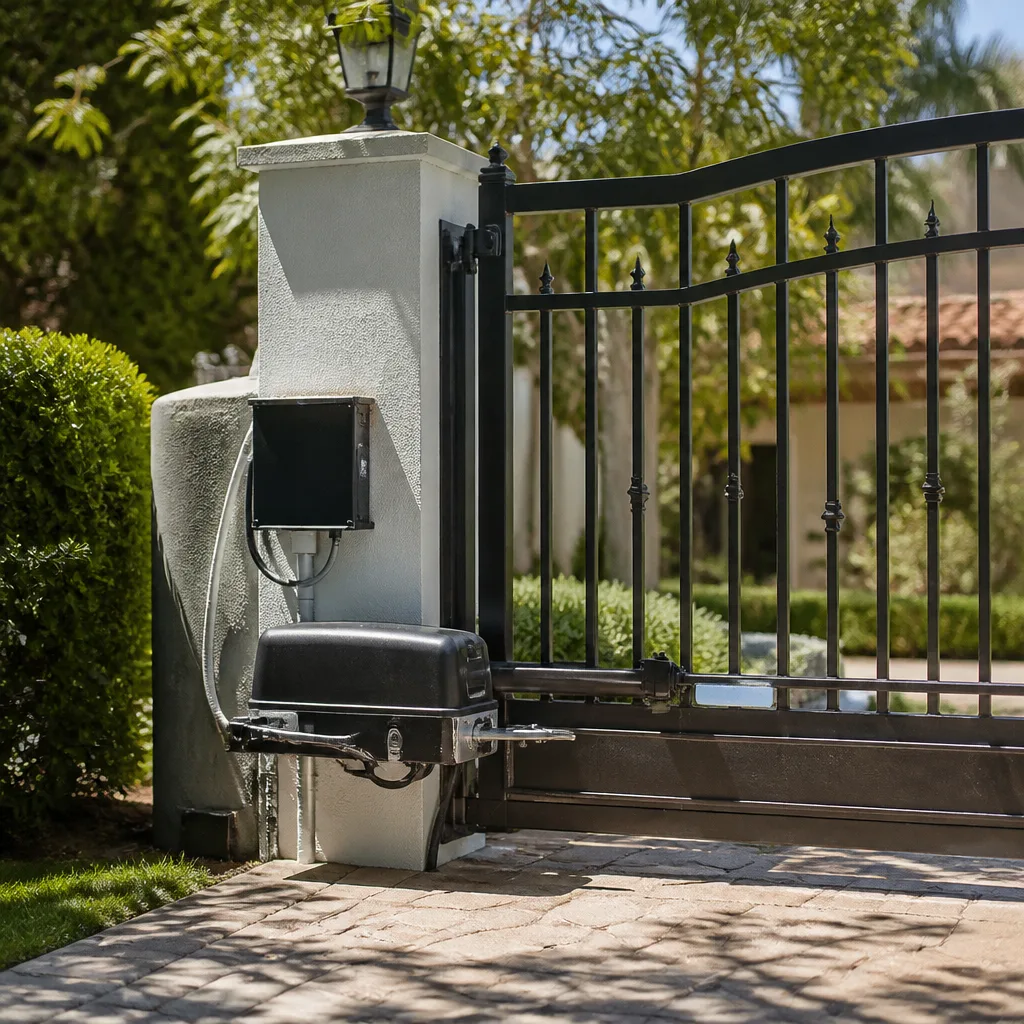 LiftMaster operators
Free on-site gate assessment - hinges, posts, and your LiftMaster or Nice gate operator checked before anything is quoted
The assessment is free and the quote is the invoice.
Get your free estimateGate Repair Warning Signs: An Upland Homeowner’s Reference Guide
Here’s a counterintuitive fact from years of gate repair: most gate failures announce themselves weeks before anything actually breaks. The motor doesn’t simply die one morning. The hinge doesn’t snap without prior complaint. What happens instead is a slow accumulation of small changes, a half-second hesitation here, a faint grind there, a gate that sits slightly lower than it did last spring. In Upland, where summer heat cycles and winter Santa Ana winds put real stress on metal and electronics, these early signs matter even more. This guide walks you through what to listen for, watch for, and check before a minor adjustment becomes a full replacement.
Quick Answer
The most common gate repair warning signs in Upland include grinding or squealing sounds from the operator, a gate that reverses unexpectedly or stops mid-travel, visible sagging at the hinge side, delayed response from the remote or keypad, and error codes on the control board. Any of these means the system is telling you something specific is degrading. Left unaddressed, a $150 gear replacement can turn into a $1,400 operator failure.
Styles & brands we work with
- Wrought iron
- Wood & steel frame
- Farm & ranch
- Sliding driveway gates
- LiftMaster operators
Table of Contents
- Acoustic Warning Signs: What Your Gate Is Telling You
- Behavioral Warning Signs: Reversals, Delays, and Speed Changes
- Visual Warning Signs: Sag, Weld Cracks, and Post Lean
- Electrical Warning Signs: Error Codes and Power Behavior
- Stop-Use Signs vs. Monitor Signs: A Practical Decision Guide
- Upland-Specific Factors That Accelerate Gate Wear
- Common Mistakes to Avoid
- When to Call a Professional
- Frequently Asked Questions
Acoustic Warning Signs: What Your Gate Is Telling You
Sound is the earliest and most reliable diagnostic tool you have. Automated gates make predictable noises when healthy. A smooth hum from the operator, a consistent chain rattle on a slide gate, the soft thunk of a limit switch engaging. When those sounds change, the change is diagnostic.
On a slide gate with a chain drive, a grinding noise typically means one of three things: the chain tension has drifted, the drive sprocket is worn, or the guide rollers are binding against the track. Upland’s dry conditions mean dust and grit accumulate fast on exposed chain drives, accelerating sprocket wear. A chain that’s too tight produces a high-pitched whine. Too loose, and you’ll hear a rhythmic slap as the chain oscillates against the rail. Both are fixable early. Neither fixes itself.
Swing gate operators tell a different acoustic story. A worm gear operator, common on LiftMaster and Elite swing systems, produces a distinct grinding when the gear oil has broken down or the worm itself is scored. This isn’t a lubrication issue you solve by spraying WD-40 through the housing vent. It’s a mechanical wear indicator. When we hear that grind on a service call in Upland, we know the operator is working harder than it should be, which almost always traces back to hinge resistance or a gate leaf that’s fighting its own weight.
- High-pitched squeal on a swing gate: hinge pin wear or lack of lubrication at the pivot point. Check both top and bottom hinges. A dry bottom hinge on a heavy wrought-iron gate will squeal for months before seizing.
- Rhythmic clunking on a slide gate: flat spots on guide rollers or debris packed into the track. Upland’s decomposed granite landscaping finds its way into tracks constantly.
- Grinding during open only (not close): often a limit switch or gear issue specific to the open cycle. This asymmetric pattern is a strong diagnostic clue.
- Humming with no movement: the capacitor or start circuit is failing. The motor is receiving power but can’t start under load. Don’t keep pressing the remote.
Behavioral Warning Signs: Reversals, Delays, and Speed Changes
You press the remote. The gate hesitates for two seconds, then starts moving. Or it opens halfway, stops, and reverses. Or it used to take eight seconds to open and now takes twelve. None of these are normal, and each points to a specific subsystem.
Unexpected reversal is the one homeowners most often misinterpret. A gate that reverses isn’t “glitching.” The controller is receiving a signal from the safety system that something is in the path. On a Ghost Controls or Mighty Mule residential operator, this usually means the force sensitivity is set too low, the safety edges are faulty, or the photo eyes are misaligned. Upland homeowners with desert landscaping sometimes find that a low-growing shrub triggers the photo eye at a certain time of day when the sun hits the sensor at a specific angle. The fix is re-aiming the sensor, not reprogramming the force setting to plow through. That reprogramming approach is how a $50 sensor adjustment becomes an entrapment incident.
Delayed response between pressing the remote and gate movement has different causes depending on the brand. On a DoorKing controller, a two to three second delay may indicate a failing relay or a battery backup that’s no longer holding charge. On a Ghost Controls system, the same delay can point to signal interference from a nearby source. Upland’s mix of older neighborhoods and newer developments means some homes sit close to commercial radio equipment that can degrade remote performance. A call to our Gate Repair services that starts as “my remote is flaky” often ends with a simple fix like a frequency adjustment or a new remote programmed to the existing board.
- Document the behavior. Note when it happens (morning vs. evening, hot vs. cool weather), which remote or keypad triggers it, and whether the gate completes the cycle or stops mid-way.
- Check the photo eyes. Are they aligned? Clean? Nothing growing in front of them? This solves roughly a third of unexpected reversal calls.
- Test each access device separately. If the wall button works fine but the remote is intermittent, the problem is signal, not the operator.
- Watch the speed. Inconsistent travel speed within a single cycle means the motor is struggling against mechanical resistance. Consistent slowdown over months means wear.
Inconsistent travel speed deserves special attention. In our experience in Upland, a swing gate that moves slower on hot afternoons is often fighting thermal expansion in the hinges or the gate leaf itself. A slide gate that slows near the end of travel usually has track issues, not motor issues. The motor is compensating for mechanical drag, and the extra current draw shortens its life every cycle.
Visual Warning Signs: Sag, Weld Cracks, and Post Lean
Some problems you can see from the driveway with a cup of coffee in hand. The gate should hang true. The reveal gap between gate and post should be consistent top to bottom. Weld joints should show no hairline cracks. The post itself should be plumb.
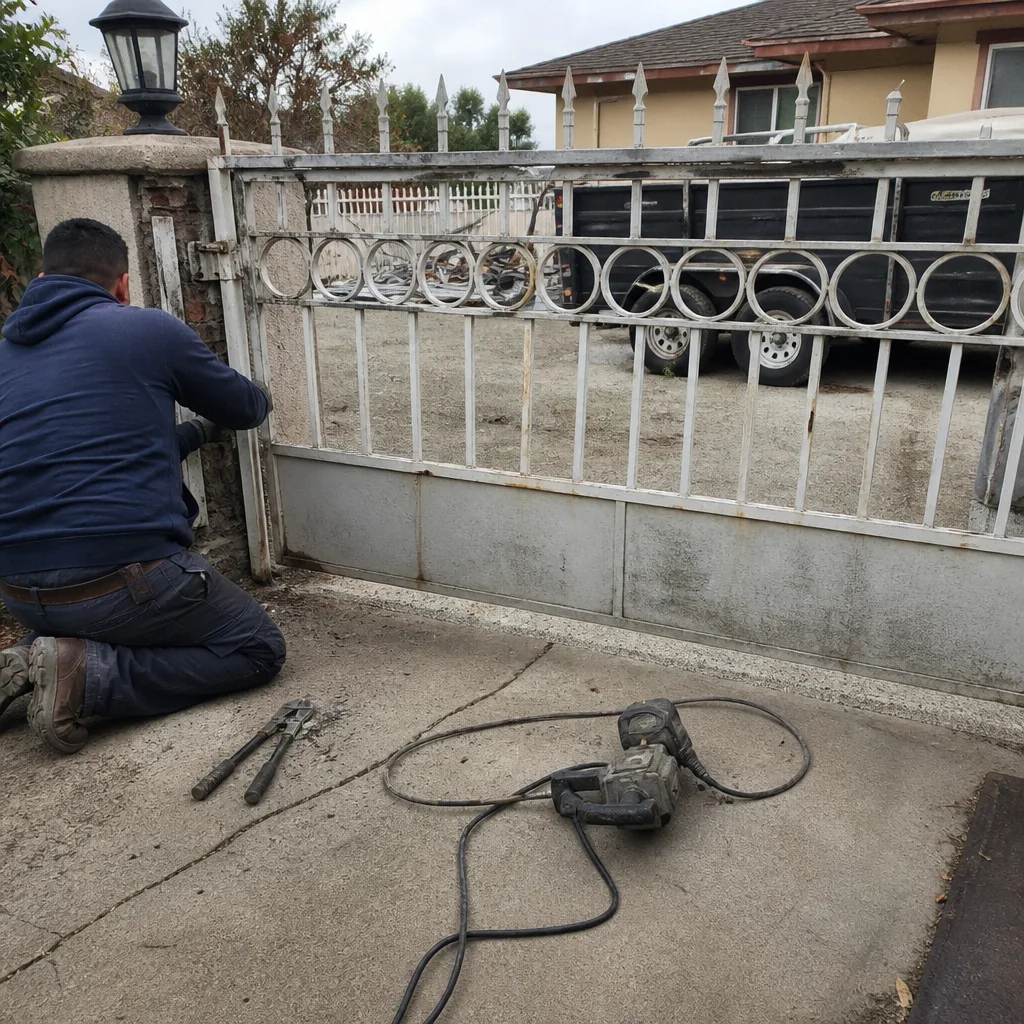
A sagging gate leaf is the most common visual warning we see in Upland, particularly on older ornamental iron gates from the 1980s and 1990s. The tell is simple: the latch side of the gate sits noticeably lower than the hinge side, often by a half-inch or more. That sag means the hinge pins are wearing or the post has shifted. Every additional cycle grinds the misalignment deeper. A gate that drags on the ground or scrapes the concrete approach is already past the warning stage and into active damage.
Weld cracks are harder to spot but critical to catch early. Check the corners where horizontal rails meet vertical pickets, and where the gate frame attaches to the hinge plates. A hairline crack in a weld is a stress point. Upland’s temperature swings, summer days over 100 degrees followed by cool nights, cause expansion and contraction cycles that propagate cracks quickly in older welds. Once a weld fails completely, the gate can drop unexpectedly, which is dangerous for anyone standing nearby and brutal on the operator.
Post lean is the “check the foundation” moment of gate inspection. A gate post that leans even two or three degrees out of plumb changes the entire geometry of the swing. The gate leaf weight shifts, the hinges bind, and the operator works against gravity. In Upland’s hillside neighborhoods, soil movement after heavy rains can shift posts subtly. You may not notice the lean until the gate starts scraping or the automatic opener starts groaning.
- Reveal gap inconsistency: if the gap between gate and post is wider at the top than the bottom, the gate is sagging.
- Scrape marks on concrete: a gate has been dragging. This is a warning sign you can see without even examining the gate itself.
- Rust staining at welds: rust weeping from a joint means moisture is inside the metal, and the weld is compromised structurally, not just cosmetically.
- Fresh cracks in surrounding stucco or masonry: a moving post will crack the column it’s mounted in. The gate problem is actually a footing problem.
Electrical Warning Signs: Error Codes and Power Behavior
Modern gate operators speak a diagnostic language most homeowners never learn to read. The control board has a small display or LED indicator that reports fault conditions. Knowing a few common codes saves you a service call for something simple, and more importantly, tells you when to stop using the gate.
LiftMaster operators, common in Upland residential installations, display codes like error 42 (receiver logic issue) or error 31 (photo eye obstruction). A LiftMaster that shows a code 10 is telling you the gate hit an obstacle, and the controller is holding the fault in memory. Viking controllers, found more often on commercial and larger residential properties, use numeric codes for limit faults, safety loop failures, and motor current overdraws. DoorKing boards use beep patterns as well as display codes, a beep-beep-pause-beep pattern often corresponds to a loop detector fault.
The key principle: error codes are not random. They’re the controller reporting a specific condition from a specific sensor or circuit. Before calling for Electric Gate Repair in Upland, write down the code, the number of beeps, and what the gate was doing when the fault appeared. This information cuts diagnostic time significantly.
Electrical signs extend beyond codes. A gate that trips its GFCI breaker repeatedly is telling you there’s a ground fault, often from moisture in a junction box or a motor winding starting to break down. A gate that runs slower on battery backup than on line power may just need new batteries. A keypad that works intermittently after rain points to a seal failure in the keypad housing. These are not mysterious gremlins. They’re electrical systems doing exactly what electrical systems do when components fail.
Stop-Use Signs vs. Monitor Signs: A Practical Decision Guide
Not every warning sign requires immediate shutdown. Some conditions allow continued careful use while you schedule service. Others mean the gate should be taken offline today, manually secured, and left alone until a technician arrives. Knowing the difference prevents both unnecessary alarm and genuine danger. See How to Hire a Gate Repair Contractor in Upland: A Step-by-Step Guide for help choosing the right professional.
Here’s the rule we use in our own risk assessment: if the failure mode can cause injury or property damage without additional warning, the gate goes offline. If the problem degrades gradually and produces no kinetic risk, it can be monitored while service is scheduled.
Stop-use conditions (take the gate offline immediately)
- Unexpected reversal toward a person or vehicle. This is the entrapment scenario. The safety system is unreliable.
- Any visible weld crack at a structural joint. Cracks don’t heal. They propagate.
- Post lean greater than approximately 3 degrees. The structure is actively moving.
- Operator producing smoke or a burning smell. Electrical fire risk.
- Gate falling out of track or binding hard enough to stall the motor. The mechanical failure is already happening.
Monitor conditions (schedule service, careful use in the interim)
- Intermittent remote response. Annoying but not dangerous. The entrapment protections remain functional.
- New but subtle grinding noise. Document it. Watch for worsening. Schedule service within a week or two.
- Gate slightly slower than normal. Degradation is gradual. Monitor daily.
- One keypad intermittently failing. If the gate operates safely from other access points, the primary safety logic is intact.
The distinction matters because Upland homeowners sometimes ignore stop-use conditions for weeks, rationalizing that “it still opens and closes.” That’s the same logic as driving on a tire with exposed cord because it still holds air. It works until it doesn’t, and when it doesn’t, the failure is expensive and potentially harmful.
Upland-Specific Factors That Accelerate Gate Wear
Gate systems in Upland face conditions that gates in coastal or shaded communities simply don’t. Understanding these local factors explains why a gate that lasted 15 years in a mild climate might need major service after 8 years here. Our Seasonal Gate Repair Care for Upland: Year-Round Homeowner’s Guide breaks down what to watch for each season.
The first factor is heat. Upland summers routinely push past 95 degrees, and unshaded metal gates absorb that heat directly. Control boards mounted inside the operator housing can see internal temperatures 30 degrees above ambient. Capacitors, relays, and circuit boards all have reduced lifespans at elevated temperatures. This is why some Upland homeowners notice their gate acting up only on the hottest afternoons. The electronics are thermally stressed. Adding shade over an exposed operator housing is one of the simplest preventive measures available.
The second factor is dust and grit. Upland sits against the San Gabriel Mountain foothills, and the dry conditions produce fine airborne dust that infiltrates everything. Chain drives collect it. Guide rollers absorb it. Limit switches gum up with it. A Gate Repair in Upland tech expects to find this, and part of a proper service call includes cleaning and lubricating the mechanical components with appropriate products, not just fixing the immediate symptom.
The third factor is soil movement. Upland’s hillside neighborhoods, particularly in the northern sections, experience seasonal soil expansion and contraction with the rainfall cycle. Gate posts set in concrete can shift subtly as the surrounding soil moves. A post that was perfectly plumb in October may be off by a degree after the winter rains. Annual post and hinge checks are more than maintenance, they’re cheap insurance against the cumulative effects of soil movement.
Common Mistakes to Avoid
- Reprogramming the force sensitivity to stop reversals. This is the most dangerous mistake on this list. The reversal is the safety system working. Crank up the force, and you’ve defeated the entrapment protection. We’ve seen gates that would push a grown adult aside because someone “fixed” the reversal problem this way.
- Lubricating everything with WD-40. WD-40 is a solvent, not a lubricant. On gate hinges and chains, it washes away the existing lubricant and leaves the metal with inadequate protection. Use a proper lithium or silicone lubricant matched to the component.
- Ignoring a grinding noise because “it’s always made that noise.” It wasn’t always making that noise. You just stopped noticing when it started. Grinding is metal-on-metal wear. Every day it grinds is a day of lifespan lost.
- Waiting until the gate completely fails before calling. A stopped gate is an emergency. A grinding, slow, or intermittent gate is a scheduled repair. The emergency version costs significantly more because it involves urgency, and often a full operator replacement instead of a component fix.
- Using a general handyman for gate work. Gate systems involve mechanical, electrical, and access control components. General handymen are fine for many tasks, but automated gate repair is not one of them. The diagnosis requires understanding controller logic, force settings, and safety compliance.
- Ignoring error codes. The code is the machine telling you what’s wrong. Clearing it without addressing the underlying condition just postpones the repair and compounds the wear.
- Neglecting the manual release test. Every automated gate has a manual release mechanism. If you can’t operate the gate manually, you can’t secure your property if the power fails or the operator dies. Test it at least twice a year.
When to Call a Professional
A homeowner can diagnose a surprising amount with the information in this guide. Loose hinge bolts, obvious track obstruction, a misaligned photo eye, a dead remote battery, these are all resolvable without a service call. But when the problem involves the operator motor, the control board, structural welds, or any safety system, a professional is the correct call. These are not areas where experimentation is safe or economical. Falcon Gate Repair works on the specific brand in your driveway, which matters more than most people realize. A LiftMaster and a Ghost Controls system can produce identical symptoms from completely different causes. Our Gate Repair in Upland service includes diagnosis based on that brand logic, not generic troubleshooting. For homeowners considering replacement rather than repair, Gate Installation in Upland covers both. Call (833) 918-6938 for a free estimate.
Frequently Asked Questions
Unexpected reversal in an automated gate is the safety system responding to something triggering the photo eyes, safety edges, or loop detectors. It can be a misaligned sensor, a plant growing into the beam path, a faulty safety edge, or force sensitivity set too low. Don’t raise the force setting to stop the reversal. Find and fix whatever is triggering the safety input. Call (833) 918-6938 and we’ll diagnose the specific trigger.
Gate repair in Upland typically ranges from $150 for minor adjustments like photo eye realignment or hinge lubrication to $1,200 to $2,400 for control board or operator replacement. Most common repairs fall in the $250 to $600 range, including gear replacements, limit switch repairs, and keypad programming. Every price is quoted and agreed before work starts, so there are no invoice surprises. Call (833) 918-6938 for an exact quote on your specific issue.
Falcon Gate Repair services LiftMaster, FAAC, BFT, Linear, Viking, Ghost Controls, DoorKing, Elite, and Mighty Mule systems. That span covers virtually every residential and commercial gate an Upland property is likely to have. We diagnose by brand logic, so the repair is specific to your controller’s design, not a generic guess.
A light grinding noise that’s new should be assessed within a week or two, and the gate can be used carefully in the interim. If the grinding is loud, accompanied by visible metal shavings near the operator, or the gate struggles to complete its travel, stop using it and take it offline. The risk goes beyond the noise: excessive mechanical resistance overheats the motor and accelerates damage. Call (833) 918-6938 to schedule a diagnosis before it becomes an emergency.
For emergency repair situations, especially a gate stuck open that’s compromising security, Falcon Gate Repair prioritizes urgent calls. Call (833) 918-6938 and describe the failure. We’ll let you know the soonest available time, and in many Upland cases, that’s the same day.
Yes. Falcon Gate Repair handles both repair and new installation, which means the same team that tells you a repair isn’t cost-effective can quote and install the replacement. This is one of the advantages of working with a gate-only specialist: we don’t hand you off to another company when your broken system becomes a new installation project. Falcon Gate Repair home details both service paths.
The Bottom Line
Gate failures rarely arrive unannounced. The warning signs are there in the sounds, the behavior, the visible condition, and the error codes. What separates a $200 repair from a $2,000 replacement is whether someone paid attention early. In Upland, where heat, dust, and soil movement work against gate systems year-round, that attention is even more critical. Listen to your gate. Watch how it moves. Read the error codes. And when the warning signs point to something beyond a simple adjustment, call a specialist who works on your brand, not a generalist who will figure it out on-site. For more guides & resources, explore our blog.
Written by the team at Falcon Gate Repair, serving Upland since 2018.
See the difference
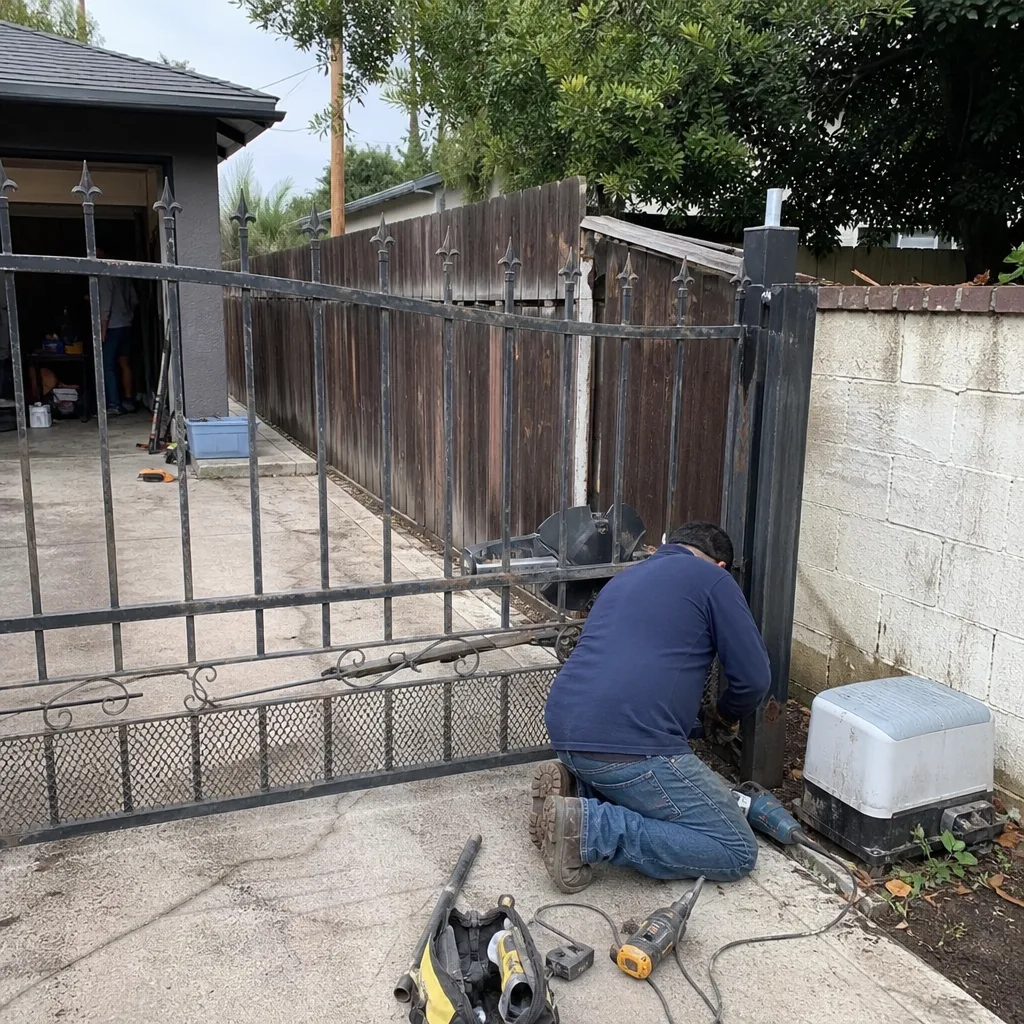 Before
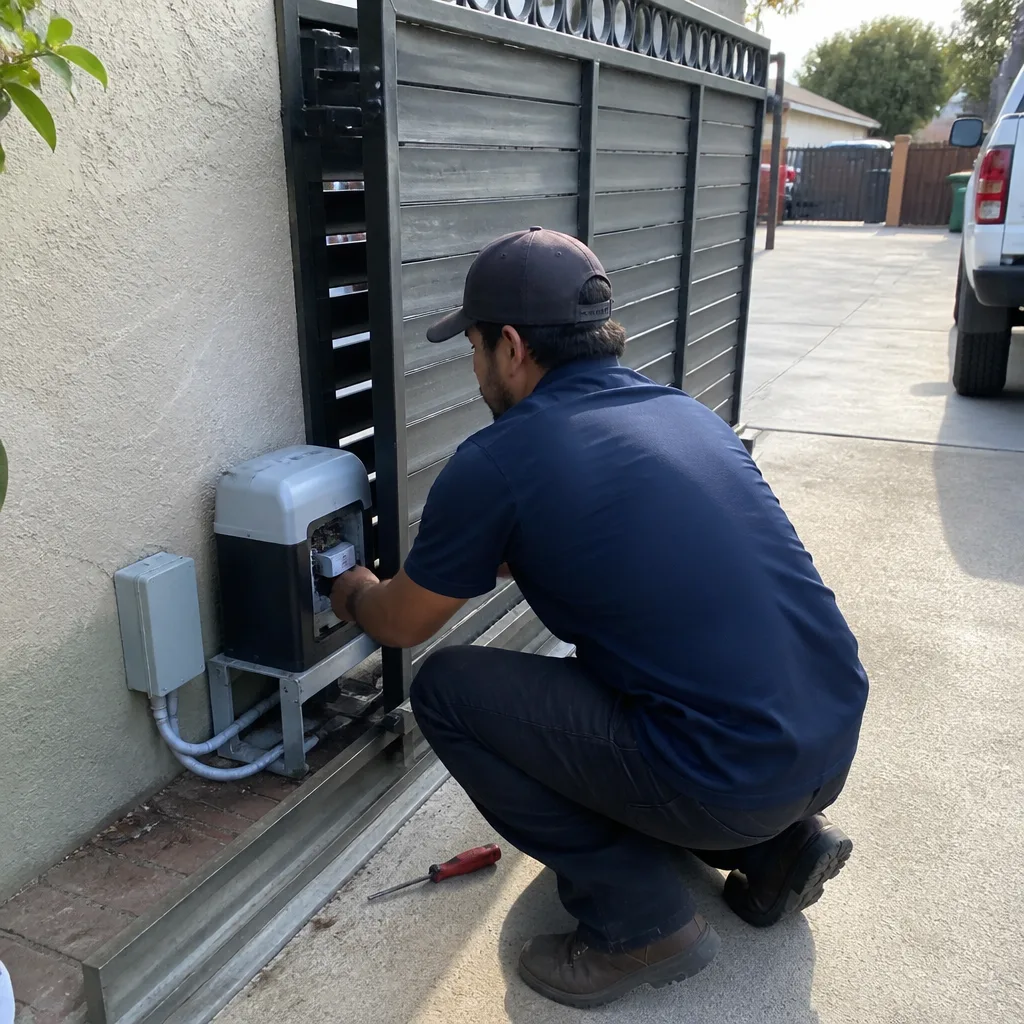 After
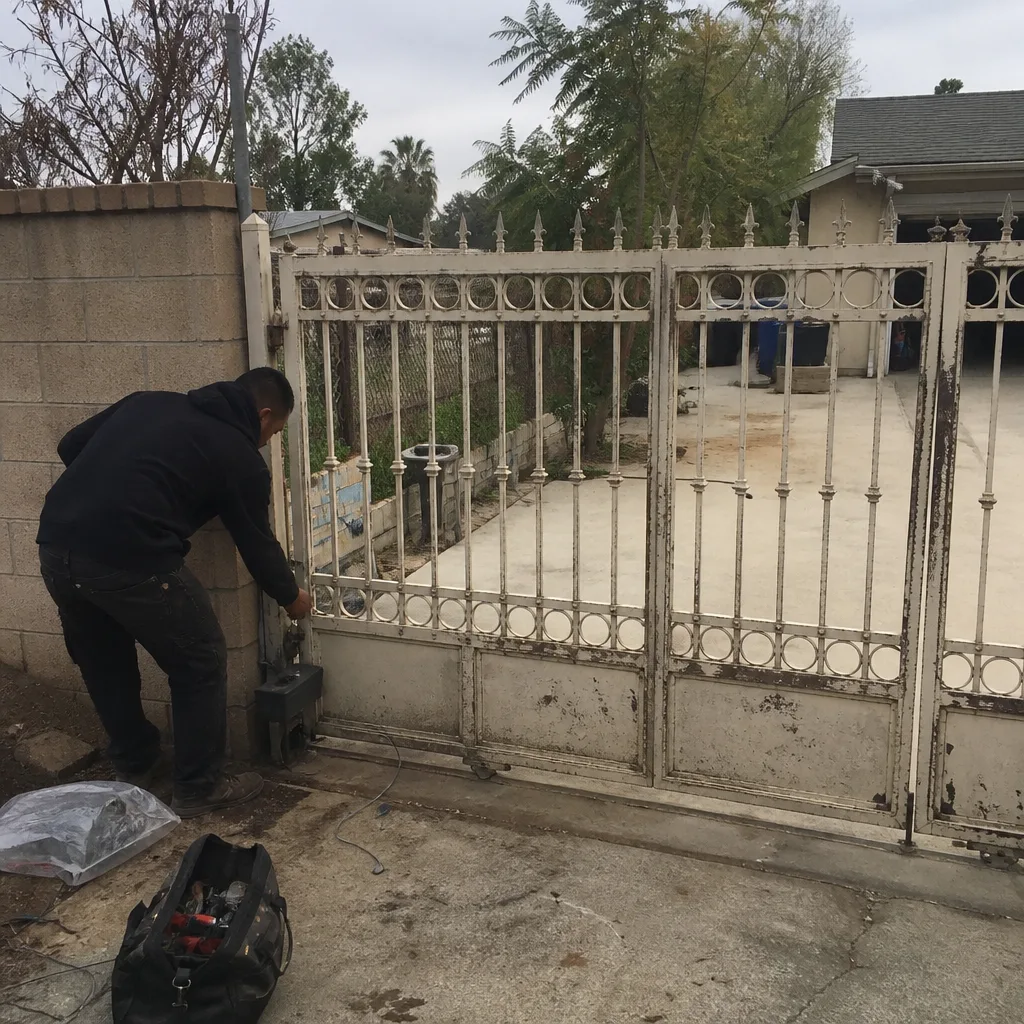 Before
 After
 Before
 After